Food decisions used to feel complicated. Calories, macros, meal timing, carb cycling, and endless diet rules made healthy eating seem like a full-time job. Eventually I realized that most people are not struggling because they lack information. They struggle because nutrition advice often feels too complex to follow consistently.
The Plate Method changed that for me. Instead of counting every calorie or weighing every ingredient, this approach uses a simple visual guide to balance meals. It removes guesswork and replaces it with a straightforward structure anyone can apply at home, at restaurants, or even at social events.
This method focuses on how food is arranged on a plate rather than obsessing over strict numbers. That small shift creates a powerful difference. Meals become balanced automatically, portions become easier to manage, and healthy eating starts to feel natural instead of restrictive.
The beauty of the Plate Method lies in its simplicity. A single glance at the plate tells whether a meal is balanced or not. That clarity makes it easier to maintain healthy habits without feeling overwhelmed by complicated diet rules.
What The Plate Method Is
The Plate Method is a visual approach to building balanced meals. Instead of measuring food in grams or calories, the plate itself becomes the guide. A standard dinner plate is divided into sections that represent different food groups.
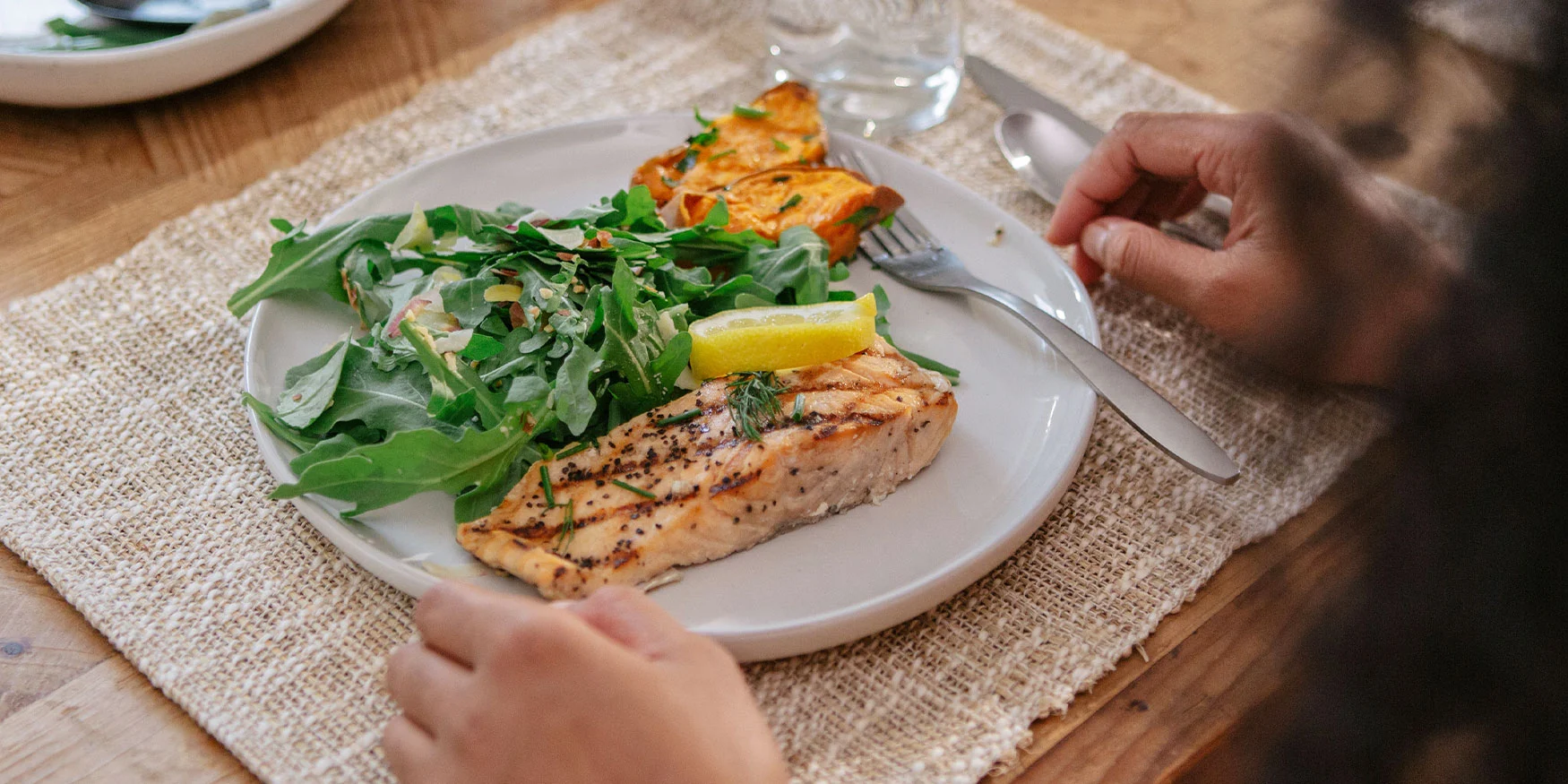
Half of the plate is filled with vegetables or fruits. One quarter contains protein sources such as fish, chicken, tofu, beans, or eggs. The remaining quarter is reserved for carbohydrates like rice, potatoes, whole grains, or pasta. Healthy fats can be included in small portions through foods like avocado, nuts, olive oil, or seeds.
This layout automatically creates balance. Vegetables provide fiber and nutrients, protein supports muscle and satiety, and carbohydrates deliver energy. Each meal becomes nutritionally complete without requiring complicated calculations.
The system works because it addresses portion sizes visually. Instead of focusing on restriction, the Plate Method emphasizes proportion. That shift makes meals feel abundant while still promoting healthier eating patterns.
Why Simple Strategies Work Better Than Strict Diets
Many diets fail not because they are ineffective but because they are difficult to sustain. Strict rules often lead to burnout. A plan that requires constant tracking, weighing, and logging can become exhausting over time.
Simple strategies reduce decision fatigue. The Plate Method removes the need for complicated math or apps. A quick glance at the plate instantly answers the question of whether the meal is balanced.
Consistency becomes easier when a system feels flexible. Meals do not need to be perfect, and occasional indulgences do not derail the entire process. That balance encourages long-term habits rather than short bursts of motivation.
The psychological benefit is just as important as the nutritional one. Instead of labeling foods as good or bad, the Plate Method focuses on building balanced meals. That mindset promotes healthier relationships with food.
Building A Balanced Plate
Creating a balanced plate begins with vegetables. Filling half of the plate with vegetables provides volume without excessive calories. Foods like broccoli, spinach, carrots, peppers, zucchini, and leafy greens add fiber and nutrients that support overall health.
Protein occupies the next quarter of the plate. This portion helps maintain muscle mass and keeps hunger under control. Lean meats, seafood, eggs, beans, lentils, tofu, and Greek yogurt all fit into this category.
Carbohydrates complete the final quarter. Whole grains, sweet potatoes, brown rice, quinoa, and whole-grain pasta deliver sustained energy throughout the day. Including carbohydrates in balanced portions helps avoid the fatigue that often comes with extreme low-carb dieting.
Healthy fats add flavor and satisfaction. Small additions such as olive oil, avocado slices, nuts, or seeds enhance meals without overwhelming the plate. These fats also help with nutrient absorption and support overall health.
Portion Control Without Measuring
Portion control often feels intimidating because people assume it requires precise measurements. The Plate Method eliminates that pressure by using visual proportions instead of scales or measuring cups.
A standard nine-inch dinner plate works well for most meals. Filling the sections according to the Plate Method naturally limits excessive portions while still allowing variety. This approach prevents overeating without creating the feeling of restriction.
Restaurants and social gatherings often present larger portions than necessary. The Plate Method still works in these situations. Simply dividing the plate visually makes it easier to adjust portions without drawing attention or making the experience stressful.
Over time, this visual awareness becomes automatic. Meals begin to look balanced without conscious effort. That habit makes healthy eating sustainable even during busy weeks.
Why Vegetables Take Up Half The Plate
Vegetables play a central role in the Plate Method for several reasons. They provide vitamins, minerals, antioxidants, and fiber that support long-term health. Their high fiber content also helps regulate digestion and stabilize blood sugar levels.
Another advantage lies in their low calorie density. Vegetables add volume to meals without contributing excessive calories. This makes it easier to feel satisfied after eating while still maintaining a healthy energy intake.
Colorful vegetables also create variety on the plate. Different colors often represent different nutrients, so including a range of vegetables helps support overall nutrition. A plate filled with greens, reds, oranges, and purples tends to be both visually appealing and nutritionally rich.
Vegetables also improve satiety. Large portions of vegetables help meals feel substantial, reducing the temptation to snack excessively later in the day.
Protein And Satiety
Protein plays a crucial role in the Plate Method because it supports fullness and muscle maintenance. Meals that include adequate protein tend to keep hunger under control for longer periods.
Lean meats such as chicken and turkey provide high-quality protein with relatively low fat content. Fish adds omega-3 fatty acids that support heart health. Plant-based options like lentils, beans, tofu, and tempeh offer protein while also contributing fiber.
Including protein in each meal stabilizes blood sugar levels. This helps prevent energy crashes and sudden cravings. Balanced meals lead to more stable energy throughout the day.
Protein also supports metabolism and muscle recovery. For people who exercise regularly, adequate protein intake helps maintain strength and performance.
Carbohydrates Are Not The Enemy
Carbohydrates often receive unfair criticism in diet culture. The Plate Method offers a more balanced perspective by including them in controlled portions rather than eliminating them entirely.
Whole carbohydrates such as brown rice, oats, quinoa, and sweet potatoes provide fiber and essential nutrients. These foods digest more slowly than refined carbohydrates, leading to steadier energy levels.
The quarter-plate portion prevents excessive carbohydrate intake while still providing enough fuel for daily activities. This balance avoids the extreme highs and lows that sometimes accompany restrictive diets.
Carbohydrates also play a role in mental satisfaction. Completely removing them from meals can create feelings of deprivation that lead to overeating later. Balanced inclusion keeps meals enjoyable and sustainable.
Adapting The Plate Method For Different Goals
The Plate Method can be adjusted depending on personal goals. People focusing on weight loss might emphasize non-starchy vegetables while maintaining moderate portions of carbohydrates and protein.
Those aiming to build muscle may slightly increase the protein portion. Athletes or individuals with high activity levels may add additional carbohydrates to support energy needs.
Flexibility is one of the strengths of this method. The structure remains consistent while allowing adjustments based on lifestyle and activity level. This adaptability makes the approach suitable for a wide range of people.
Even individuals with dietary restrictions can apply the Plate Method. Plant-based eaters, gluten-free diets, and other nutrition preferences can still follow the same balanced layout.
Making The Plate Method Work In Real Life
Applying the Plate Method becomes easier with small daily habits. Planning meals ahead of time helps ensure that vegetables, protein, and carbohydrates are readily available.
Meal preparation can also simplify the process. Cooking larger batches of vegetables, grains, and protein sources makes it easy to assemble balanced plates throughout the week.
Restaurants often serve meals that lean heavily toward carbohydrates or protein. Adding a side salad or extra vegetables helps recreate the Plate Method even when dining out.
Consistency matters more than perfection. Occasional deviations do not erase progress. Returning to balanced plates at the next meal keeps the overall pattern intact.
Common Mistakes People Make
Some people misinterpret the Plate Method by filling half the plate with starchy vegetables such as potatoes or corn. While these foods are nutritious, they belong in the carbohydrate section rather than the vegetable half.
Another common mistake involves neglecting protein. Meals composed mostly of carbohydrates and vegetables may lead to hunger shortly after eating. Including a clear protein source helps maintain satiety.
Portion creep can also occur over time. Plates gradually become larger, which increases overall food intake. Using a standard plate size helps maintain the intended proportions.
Balanced meals also depend on food quality. Highly processed foods can technically fit into the Plate Method, but whole foods generally provide better nutrition and satisfaction.
Why This Method Sticks
The Plate Method works because it removes complexity. Instead of focusing on strict numbers, it emphasizes visual balance. That approach aligns better with how people actually eat in everyday life.
Habits form more easily when the rules are simple. A quick glance at the plate becomes a natural checkpoint before eating. Over time, balanced meals start to feel normal rather than forced.
Flexibility also plays a major role. Meals can adapt to different cuisines, preferences, and occasions without breaking the basic structure. This adaptability makes the method practical for long-term use.
The result is a sustainable way of eating that supports health without demanding constant attention. Food becomes enjoyable again while still supporting nutritional balance.
A Diet Hack That Feels Effortless
The Plate Method proves that effective nutrition does not require extreme discipline or complicated rules. A simple visual guide can transform the way meals are built and enjoyed.
Balanced plates gradually lead to healthier habits. Vegetables appear more often, protein becomes consistent, and carbohydrates remain in appropriate portions. These small adjustments accumulate into meaningful long-term changes.
Healthy eating becomes easier when the process feels intuitive. The Plate Method replaces confusion with clarity and rigid rules with flexible structure.
Food should nourish both the body and the experience of eating. A balanced plate accomplishes that goal without turning meals into a mathematical exercise. The simplicity of this method is precisely what makes it work.
