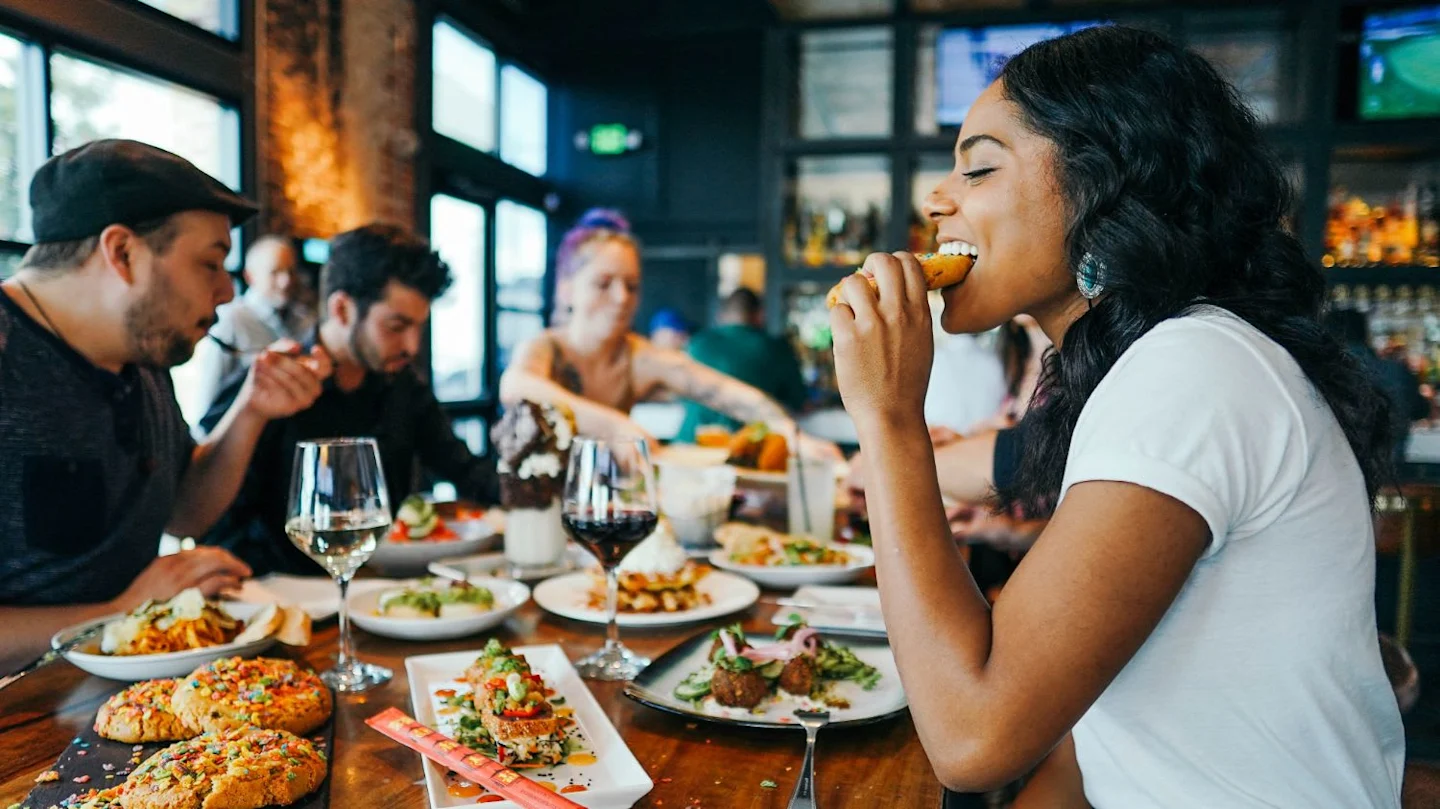
Eating out often gets blamed for weight gain, but my experience has been the opposite. Restaurants don’t automatically sabotage a healthy lifestyle. The real difference comes from how meals are selected, how portions are managed, and how consistent habits are built around dining out.
Daily restaurant meals once felt like a barrier to staying fit. Over time, though, I realized that restaurants offer far more flexibility than most people expect. Menus contain lean proteins, vegetables, and lighter preparation styles that fit perfectly into a weight-loss plan. A bit of awareness and a few simple habits transformed eating out from a problem into a surprisingly effective strategy.
The key is not strict dieting or avoiding restaurants altogether. Weight loss becomes sustainable when meals feel enjoyable and normal. Dining out can absolutely be part of that routine, even every single day.
A Mindset That Makes Dining Out Work
Success with restaurant meals begins with mindset. Viewing restaurants as obstacles tends to lead to frustration or all-or-nothing thinking. Instead, I treat dining out as an opportunity to make smart decisions within a flexible environment.
Menus offer choices, and every choice affects calorie intake. Looking at a menu with curiosity instead of restriction changes the experience completely. Instead of focusing on what cannot be ordered, attention shifts toward meals that naturally align with healthy goals.
Restaurants also remove the stress of cooking and meal prep. That convenience makes it easier to stay consistent. Consistency matters more for weight loss than perfection, and restaurants can actually support that consistency when approached thoughtfully.
Menu Navigation Without Guesswork
Menus often look overwhelming, especially in larger restaurants with dozens of options. After some practice, certain patterns become easy to spot. Dishes built around grilled proteins, vegetables, and simple sides usually land on the lighter side.
Descriptions reveal a lot about how a meal will affect calorie intake. Words like grilled, roasted, baked, or steamed typically signal a better option than items that are fried, crispy, battered, or smothered in sauce. Small details in wording can make a big difference in the final meal.
Asking questions also helps remove uncertainty. Servers are usually happy to explain how dishes are prepared or suggest lighter variations. A simple request like swapping fries for vegetables or placing sauce on the side often turns a heavy meal into a balanced one.
Portion Control Without Feeling Restricted
Restaurant portions tend to be larger than necessary. That reality once made eating out feel risky during weight loss. With time, though, portion control became one of the easiest habits to develop.
One strategy involves mentally dividing the plate in half before the meal even begins. Eating slowly and stopping once satisfied naturally leaves part of the meal unfinished. Many restaurants happily pack leftovers, which turns one restaurant visit into two meals.
Another helpful approach involves sharing dishes with friends or family. Splitting an entrée and adding a side salad keeps the meal satisfying without doubling the calorie intake. The social experience of dining out remains intact while portions stay manageable.
Protein As The Anchor Of Every Meal
Protein plays a powerful role in appetite control and long-term weight management. Restaurant menus almost always feature multiple protein options such as chicken, fish, lean beef, tofu, or eggs. Making protein the centerpiece of a meal creates a foundation that keeps hunger in check.
Meals centered on protein feel far more satisfying than meals dominated by refined carbohydrates. A grilled chicken plate with vegetables provides steady energy, while a heavy pasta dish may lead to hunger again soon after finishing.
Restaurants frequently offer ways to increase protein as well. Adding grilled shrimp to a salad or requesting an extra egg with breakfast can boost satiety without dramatically increasing calories.
Smart Strategies For Sauces And Dressings
Sauces often hide the highest calorie counts on a restaurant menu. Creamy dressings, sugary glazes, and buttery toppings can quickly turn a healthy meal into a calorie-dense one. That does not mean sauces must be avoided entirely.
Requesting sauces on the side offers full control over how much gets used. A light drizzle delivers flavor without overwhelming the meal. Restaurants are usually very accommodating with these requests, and servers rarely question them.
Another option involves focusing on dishes that rely on herbs, spices, and citrus rather than heavy sauces. These meals tend to feel fresher and lighter while still delivering strong flavor.
The Role Of Vegetables In Restaurant Meals
Vegetables often appear on restaurant menus as sides, but they can easily become the centerpiece of a meal. Ordering vegetable-heavy dishes naturally reduces calorie density while increasing volume and satisfaction.
Salads loaded with grilled protein, roasted vegetable bowls, and stir-fried vegetable dishes provide plenty of variety. The key lies in paying attention to toppings and dressings, which can quickly raise calorie counts if used excessively.
Adding vegetables to almost any dish improves balance. Requesting extra vegetables instead of fries or chips transforms the meal without sacrificing enjoyment. Over time, these small swaps become second nature.
Handling Social Situations And Group Dining
Eating out with friends, coworkers, or family adds another layer to the experience. Social settings often encourage large meals, desserts, and drinks. Navigating these situations comfortably takes a bit of awareness but does not require avoiding them.
Focusing on conversation and the overall experience helps shift attention away from food quantity. Ordering a balanced meal and eating at a relaxed pace usually blends in naturally with the group. Most people pay far less attention to what others are ordering than expected.
Sharing appetizers or desserts also works well in social settings. A few bites provide the full flavor experience without committing to an entire portion. Dining out remains fun while still aligning with long-term health goals.
Drinks That Support Weight Loss
Beverages can quietly add hundreds of calories to a restaurant meal. Sugary drinks, specialty coffees, and alcoholic beverages often contain more calories than the food itself. Staying mindful of drink choices plays a big role in maintaining a calorie deficit.
Water remains the simplest and most effective option. Sparkling water with lemon or lime offers variety without extra calories. Unsweetened tea and black coffee also work well depending on the time of day.
Alcohol does not have to disappear entirely, but moderation becomes important. Opting for a single drink and sipping it slowly keeps the social aspect intact while limiting extra calories.
Breakfast And Lunch Restaurant Habits
Restaurant breakfasts and lunches can be surprisingly weight-loss friendly. Many cafés and casual restaurants serve egg dishes, yogurt bowls, and fresh fruit options that support balanced eating.
Egg-based meals with vegetables provide a strong start to the day. Pairing eggs with whole-grain toast or avocado adds fiber and healthy fats that support fullness. Breakfast becomes satisfying without feeling heavy.
Lunch menus often feature salads, grain bowls, and lean protein plates. These options fit naturally into a daily dining routine. A balanced lunch helps maintain energy levels and prevents excessive hunger later in the day.
Dinner Choices That Stay Balanced
Dinner menus sometimes contain the most calorie-dense options, but they also offer plenty of balanced meals. Grilled fish, roasted chicken, steak with vegetables, and broth-based soups all provide satisfying dinner choices.
Restaurant dinners tend to feel indulgent due to atmosphere and presentation. Staying aware of portion sizes and side dishes keeps the meal aligned with weight-loss goals. A balanced dinner does not need to feel restrictive.
Adding a simple side salad or vegetable dish often helps create balance. Meals feel more complete while overall calorie intake stays manageable.
Consistency Beats Perfection
Weight loss rarely depends on a single meal. Progress builds through consistent habits over weeks and months. Dining out every day becomes manageable once those habits feel automatic.
Some meals will naturally be higher in calories than others. Instead of stressing over occasional indulgences, attention stays focused on overall patterns. A single restaurant meal never determines success or failure.
Regular movement, balanced meals, and mindful portions gradually produce results. Restaurants simply become another environment where those habits continue.
Restaurants As A Sustainable Lifestyle
Daily restaurant meals once seemed incompatible with weight loss. Experience proved that assumption wrong. Restaurants provide flexibility, variety, and convenience that actually support long-term consistency.
A few simple habits make the entire process easier. Paying attention to portions, prioritizing protein, adding vegetables, and moderating sauces all help maintain balance. None of these habits require strict dieting or complicated tracking.
Eating out every day can absolutely fit into a healthy lifestyle. With thoughtful decisions and steady routines, restaurants become allies rather than obstacles on the path toward weight loss.
