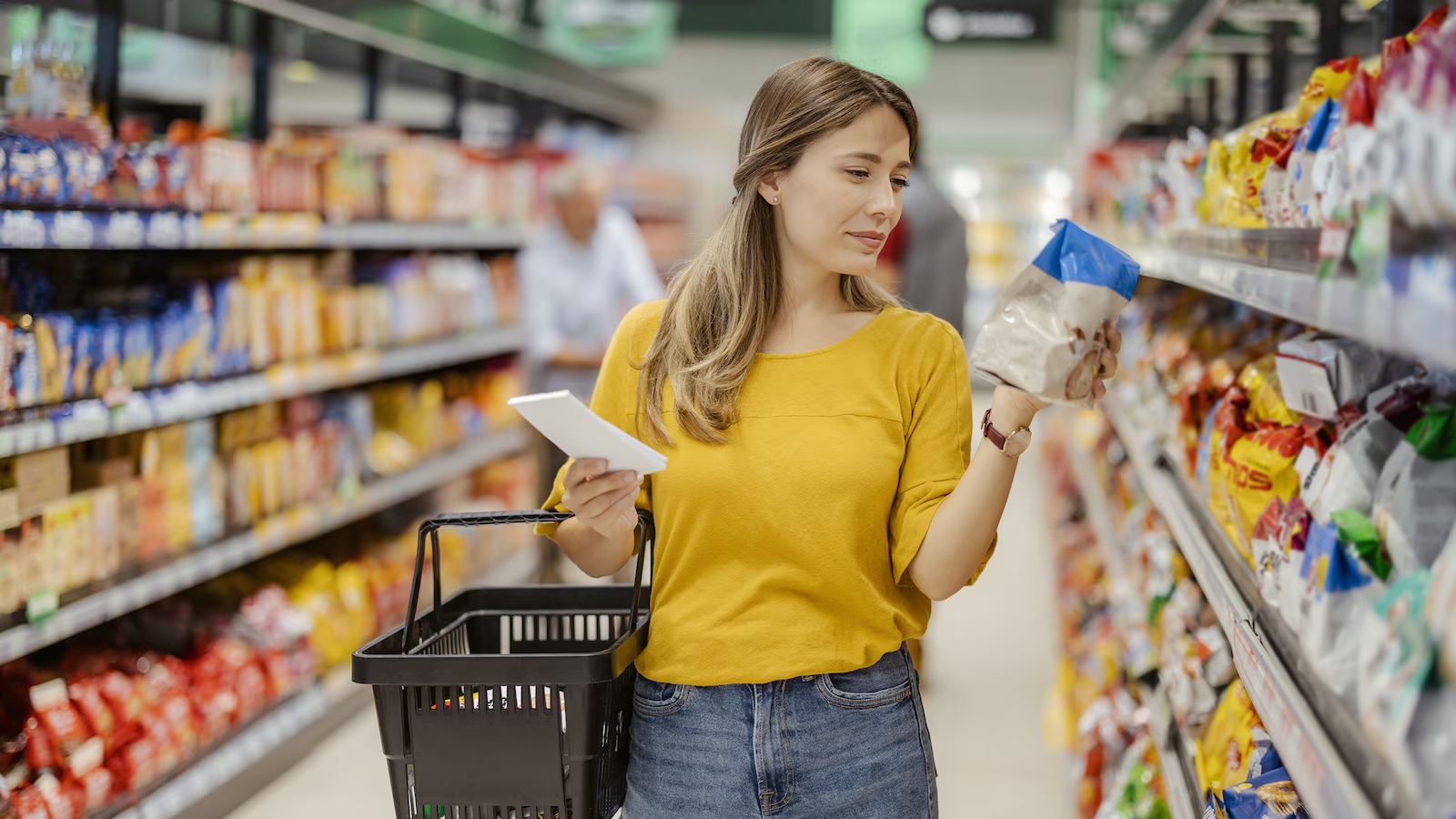
Walking into a grocery store without a plan almost guarantees that a few extra items will end up in the cart. Bright packaging, clever shelf placement, and the smell of freshly baked bread can turn a simple shopping trip into a budget-breaking adventure. After noticing how quickly small unplanned purchases added up each week, I decided to change the way I moved through the store.
The solution was not complicated. It involved building a simple route through the grocery store that made it easier to stick to the list and harder to fall into impulse buying traps. Over time, this routine reshaped how I shop, how much I spend, and even how I think about food.
The grocery store route I follow today works because it takes advantage of how stores are designed. Instead of fighting the layout, I move through it with a clear structure that keeps distractions under control.
Why Grocery Stores Are Designed to Trigger Impulse Buying
Most grocery stores follow a similar layout for a reason. The perimeter usually holds essentials like produce, meat, dairy, and bread, while the center aisles contain packaged and processed items. This design encourages shoppers to walk through multiple tempting sections before reaching the things they originally came for.
The first area near the entrance is often filled with colorful produce displays or seasonal promotions. These displays look appealing and create the impression of freshness and abundance. While fresh fruits and vegetables are great purchases, the placement also sets the tone for browsing instead of sticking to a plan.
Another strategic placement appears near the checkout lanes. Candy bars, chips, and small snacks line the shelves where customers wait to pay. These items are designed to trigger last-minute purchases, especially after a long shopping trip when decision fatigue has already set in.
Recognizing these patterns helped me realize that impulse buying was not simply about willpower. The environment itself encourages it, and that means the solution involves changing how I move through the space.
The Simple Route That Changed My Shopping Habits
The route I follow in the grocery store is simple and repeatable. Instead of wandering from aisle to aisle, I move around the perimeter first and only enter specific aisles afterward. This pattern keeps my focus on the foods I actually need rather than whatever catches my attention.
I start in the produce section but stick strictly to the items on my list. Fresh ingredients are often the foundation of my meals for the week, so grabbing them first helps anchor the rest of the trip. By limiting myself to planned purchases, I avoid adding items that might spoil before I have a chance to use them.
After produce, I move to the protein section. This includes meat, poultry, seafood, or plant-based protein depending on the week’s meal plan. Taking care of these items early ensures that the most important ingredients are already in the cart before I move toward the middle of the store.
Next comes dairy and refrigerated products. Milk, yogurt, eggs, and cheese tend to be placed along the back wall in many stores. Reaching this section after produce and protein completes most of the essentials for the week.
Only after finishing the perimeter do I move into the center aisles. Even then, I enter only the specific aisles that contain items on my list. If I do not need anything from a particular aisle, I simply skip it and continue toward the checkout.
Starting With a Focused Shopping List
A structured route works best when it begins with a clear list. My grocery list is organized according to the store layout rather than by food category. This small adjustment saves time and reduces the chance of wandering through unnecessary sections.
The list typically begins with produce, followed by protein, dairy, pantry staples, and frozen foods. Organizing it this way mirrors the path I take through the store. Each item gets checked off as I move along, which creates a sense of progress that keeps me focused.
Another helpful habit involves writing down specific quantities. Instead of listing vegetables in general terms, I write down exactly what I need and how much. This prevents the temptation to buy extra items simply because they look appealing in the moment.
Planning meals before writing the list makes this process even more effective. Knowing what I will cook during the week gives every item on the list a purpose. That clarity reduces the chances of buying foods that eventually go unused.
Shopping the Perimeter First
The perimeter of the grocery store contains most of the whole foods that form the foundation of balanced meals. Fruits, vegetables, meats, seafood, dairy, and bakery products are typically located along the outer walls. By focusing on this area first, I quickly gather the essentials without distraction.
Walking the perimeter also creates a natural rhythm for the trip. Instead of zigzagging through the store, the path forms a loop that gradually moves toward the checkout. This movement keeps the shopping process efficient and predictable.
Another advantage of the perimeter route involves limiting exposure to processed snack aisles. While I still purchase packaged foods when needed, I encounter fewer temptations by avoiding unnecessary aisles. The result is a cart filled mostly with ingredients rather than impulse snacks.
This approach also makes the shopping trip feel calmer. Without the constant decision-making that comes from wandering through every aisle, the experience becomes more focused and less stressful.
Limiting Time in the Center Aisles
The middle aisles are where most impulse purchases happen. Bright packaging, special promotions, and end-cap displays compete for attention from every direction. Limiting the time spent in these aisles dramatically reduces the chances of buying something that was never on the list.
I treat the center aisles like targeted missions rather than browsing opportunities. If the list includes pasta, canned tomatoes, and rice, I enter the aisle, pick up those items, and move on. Lingering too long often leads to extra items that quietly inflate the grocery bill.
End-cap displays are another area where I stay cautious. These displays feature discounted or seasonal items that appear to offer great value. Sometimes the deal is worthwhile, but many times the item was never part of the original plan.
Maintaining a quick pace through the center aisles helps keep my focus sharp. The goal is efficiency rather than exploration, and that mindset makes impulse buying far less likely.
Avoiding the Checkout Trap
The checkout area is carefully designed to encourage one final round of spending. Candy, magazines, and small snack packs sit within arm’s reach while customers wait in line. After completing a full shopping trip, the temptation to add a quick treat can feel surprisingly strong.
Avoiding this trap starts with awareness. Recognizing that these items are placed intentionally makes it easier to ignore them. I focus on unloading the cart, reviewing the total cost, and preparing to leave the store.
Another helpful tactic involves choosing a checkout lane with fewer distractions. Self-checkout lanes often contain fewer impulse items than traditional cashier lines. This small difference can make it easier to finish the trip without last-minute purchases.
Paying attention to the final receipt also reinforces good habits. Seeing how closely the total matches the planned budget provides immediate feedback that the route and list worked effectively.
Turning the Route Into a Weekly Habit
The first few times I followed this grocery store route required conscious effort. It felt slightly unusual to skip certain aisles and move through the store with such structure. After several weeks, however, the process became automatic.
Consistency is what turns a strategy into a habit. Visiting the store with the same route each week trains the mind to focus on efficiency rather than exploration. Over time, the urge to browse fades because the routine feels natural.
Another benefit of repetition is improved speed. Grocery trips that once took an hour now take far less time because the path is already established. Less time in the store means fewer opportunities for impulse purchases to sneak into the cart.
The routine also strengthens budgeting habits. With fewer surprises at checkout, weekly grocery spending becomes more predictable and easier to manage.
Small Adjustments That Strengthen the Strategy
A few additional habits make the grocery route even more effective. Shopping after a meal helps prevent hunger from influencing decisions. Walking into a store while hungry makes snacks and prepared foods far more tempting than they would normally be.
Another adjustment involves setting a rough budget before entering the store. Having a target number in mind encourages more thoughtful decisions throughout the trip. If the cart starts to exceed that number, it becomes easier to remove items that were not essential.
Bringing reusable bags also helps reinforce a mindful approach. The physical space of the bags acts as a subtle limit on how much can fit comfortably. This small constraint encourages more deliberate choices.
Even the time of day can make a difference. Shopping during quieter hours reduces distractions and makes it easier to stay focused on the planned route.
The Long-Term Impact of a Simple Shopping Route
Following a consistent grocery store route has changed more than just the total at the checkout line. The habit has improved meal planning, reduced food waste, and made grocery trips far less stressful. What once felt like a chaotic experience now feels organized and intentional.
The financial impact becomes noticeable over time. Small impulse purchases that once slipped into the cart each week quietly disappeared. Those savings add up across months and eventually across the entire year.
Another unexpected benefit involves healthier food choices. Spending more time along the perimeter naturally leads to buying more fresh ingredients. This shift influences what ends up on the dinner table during the week.
The grocery store will always be filled with tempting displays and clever marketing. A clear route through the store turns the experience into something far more manageable. With a simple plan and a consistent path, impulse buying becomes far less powerful than it once was.
