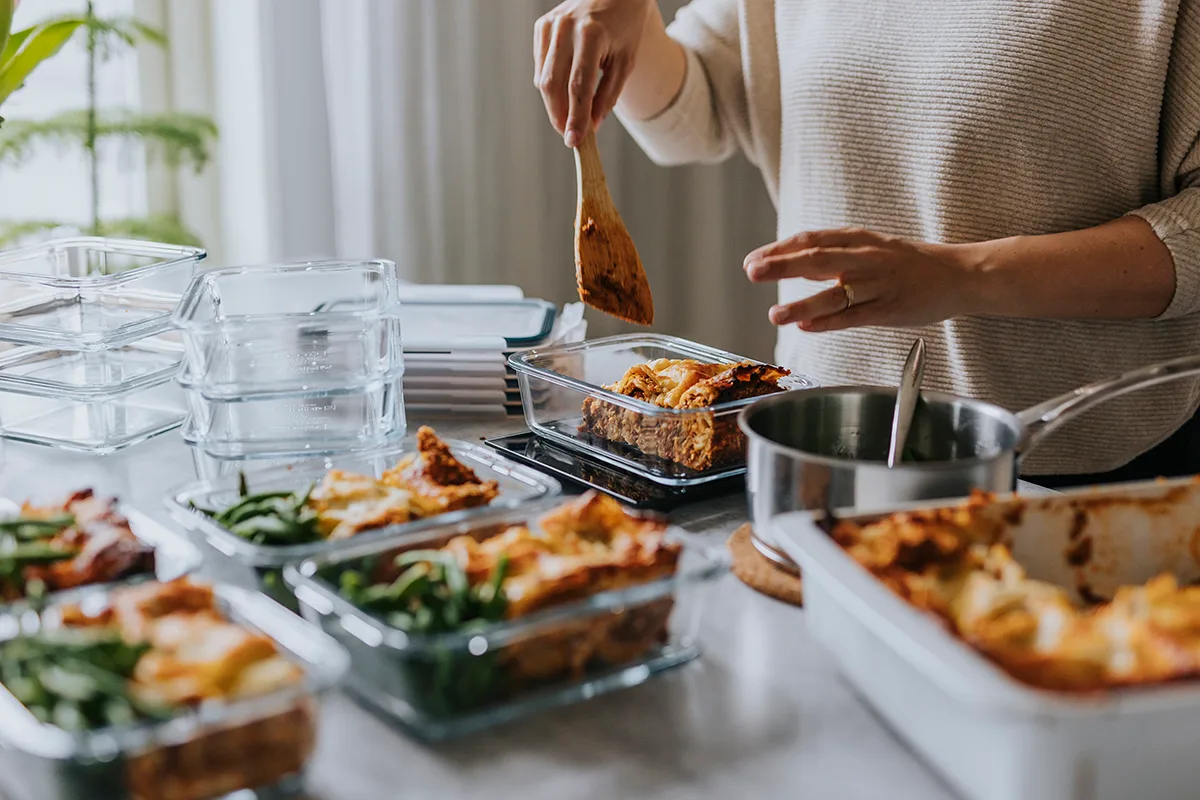
Dinner time used to feel like a daily ambush. One minute the day seemed manageable, and the next I was staring into the refrigerator hoping ingredients would magically assemble themselves into a meal. Batch cooking changed that rhythm, but not in the exhausting, all-day-kitchen-marathon way people often describe. Over time I found a calmer, more flexible system that makes cooking easier instead of overwhelming. Batch cooking can save time, reduce stress, and still leave room for meals that feel fresh and enjoyable throughout the week.
Rethinking What Batch Cooking Actually Means
Many people imagine batch cooking as spending an entire Sunday cooking ten identical meals and stuffing them into containers. That idea alone can make anyone dread the process before it even begins. My experience improved once I stopped treating batch cooking like an industrial operation and started treating it like preparation instead.
Batch cooking works better when it focuses on components instead of full meals. Cooking a large pot of rice, roasting several trays of vegetables, or preparing a versatile protein creates building blocks for many different dishes. Instead of eating the same meal repeatedly, those ingredients can turn into stir fries, wraps, bowls, soups, or salads throughout the week.
This shift transforms batch cooking from a rigid system into something flexible. It becomes less about meal repetition and more about making daily cooking easier and faster.
Starting With a Simple Plan
Batch cooking falls apart quickly without a small amount of planning. That does not mean creating complicated spreadsheets or rigid meal calendars. A short list of ingredients and a few meal ideas usually does the job.
I start by thinking about three or four meals I might want during the week. The focus stays on ingredients that can overlap. For example, roasted chicken might appear in tacos one day, pasta another day, and a salad later in the week.
This kind of loose planning reduces food waste and keeps meals interesting. Ingredients serve multiple purposes, which means fewer grocery trips and fewer half-used items lingering in the fridge.
Building Meals Around Flexible Ingredients
Some foods work incredibly well for batch cooking because they adapt easily to different meals. Once I realized this, meal preparation became far less stressful.
Grains such as rice, quinoa, and couscous provide a quick base for bowls or stir fries. Roasted vegetables bring flavor and color to salads, wraps, and pasta dishes. Proteins like shredded chicken, ground turkey, beans, or tofu can shift between cuisines without much effort.
Cooking these ingredients in larger quantities creates a reliable starting point for meals throughout the week. Instead of cooking from scratch every evening, dinner often becomes a quick assembly process that takes only minutes.
Limiting the Number of Recipes
Ambitious batch cooking plans often collapse under the weight of too many recipes. Preparing five different dishes at once sounds productive but can quickly become exhausting.
A more manageable approach focuses on just two or three main recipes for the week. Those meals can stretch across several days, especially when paired with the versatile ingredients mentioned earlier.
Fewer recipes also mean fewer cooking steps and fewer dishes to wash. This small adjustment alone can turn batch cooking from an overwhelming project into something sustainable.
Setting a Time Limit for Cooking
Spending an entire day in the kitchen defeats the purpose of simplifying life. Long cooking sessions create burnout and make the idea of batch cooking feel like a chore.
I set a clear time boundary before starting. Ninety minutes or two hours usually provides enough time to prepare several components without turning the day into a marathon.
Working within a time limit encourages efficiency. Vegetables roast while grains simmer, and proteins cook simultaneously instead of sequentially. The kitchen stays busy, but the process feels controlled rather than chaotic.
Letting the Oven Do Most of the Work
The oven might be the most powerful tool in batch cooking. Roasting ingredients allows multiple foods to cook at the same time with very little hands-on effort.
Large trays of vegetables can roast alongside chicken thighs, tofu cubes, or salmon fillets. Once everything is seasoned and placed in the oven, the cooking mostly takes care of itself.
This method reduces the number of pans used on the stove and frees up time for other tasks. While the oven works, grains can simmer and sauces can be prepared without rushing.
Creating Flavor With Simple Sauces
A refrigerator full of cooked ingredients can feel repetitive without flavor variety. Sauces solve this problem quickly and efficiently.
Preparing two or three sauces during batch cooking makes meals feel completely different throughout the week. A simple garlic yogurt sauce, a peanut dressing, or a tomato-based sauce can transform the same ingredients into entirely new dishes.
Sauces store well in small containers and often last for several days. They add excitement to meals and prevent batch cooking from feeling monotonous.
Using Smart Storage Strategies
Good storage makes batch cooking significantly easier. Containers that stack neatly help organize ingredients and prevent the refrigerator from becoming cluttered.
I prefer storing ingredients separately rather than combining them into full meals. Rice stays in one container, roasted vegetables in another, and proteins in their own space. This setup makes it easier to mix and match ingredients depending on what sounds good that day.
Clear containers also make a big difference. Seeing what is available at a glance helps avoid forgotten leftovers hiding in the back of the fridge.
Leaving Space for Flexibility
Rigid meal plans can drain the joy from cooking. Some days call for a quick homemade meal, while others invite takeout or dining out.
Batch cooking should support flexibility rather than eliminate it. Prepared ingredients simply provide options when energy or time runs low.
If plans change and some ingredients remain unused, many can easily transform into soups, fried rice, or quick pasta dishes before the week ends. This flexibility keeps the system practical instead of restrictive.
Turning Leftovers Into New Meals
One of the biggest advantages of batch cooking lies in creative leftovers. Instead of reheating the same dish repeatedly, ingredients can evolve into new meals.
Roasted vegetables might become a frittata the next morning. Shredded chicken can slide into quesadillas or sandwiches. Cooked grains can transform into fried rice or grain salads with minimal effort.
This constant transformation keeps meals interesting and reduces the feeling of repetition that often discourages people from batch cooking.
Involving Simple Kitchen Shortcuts
Batch cooking does not require doing everything from scratch. Smart shortcuts can save time without sacrificing quality.
Pre-washed salad greens, frozen vegetables, and canned beans all work well in batch cooking systems. These ingredients eliminate unnecessary prep work while still contributing to healthy, satisfying meals.
Convenience tools such as slow cookers or rice cookers also simplify the process. These appliances allow food to cook while attention shifts to other tasks, making meal preparation feel far less demanding.
Cleaning As You Go
Kitchen cleanup often becomes the most frustrating part of cooking. A sink full of dishes can discourage even the most enthusiastic home cook.
Cleaning during the cooking process prevents mess from building up. While ingredients roast or simmer, a few minutes spent rinsing bowls and wiping counters can make a huge difference.
This habit leaves the kitchen mostly clean once cooking finishes. The reward of a tidy space makes the entire experience feel lighter and more manageable.
Making Batch Cooking a Weekly Rhythm
Batch cooking becomes easier once it settles into a consistent rhythm. Repeating the process each week removes the need to constantly rethink the system.
Certain ingredients often return because they work well and require minimal effort. Favorite sauces reappear, and trusted meal combinations develop naturally over time.
This rhythm builds confidence in the kitchen. Instead of experimenting with an entirely new system each week, the process becomes familiar and efficient.
Letting Imperfection Be Part of the Process
Batch cooking does not require perfection. Some weeks the plan works beautifully, while other weeks it falls apart halfway through.
Ingredients might run out earlier than expected, or a new recipe might not turn out as planned. These small hiccups are part of normal cooking and not signs of failure.
Adjusting the system over time makes it stronger. Each week reveals small improvements that make the next batch cooking session easier and more enjoyable.
Enjoying the Freedom It Creates
The greatest reward of batch cooking appears during busy evenings. Instead of scrambling to figure out dinner, meals come together quickly with minimal effort.
Prepared ingredients allow creativity without pressure. A bowl of rice, roasted vegetables, and a flavorful sauce can turn into a satisfying meal in minutes.
That freedom changes the way the entire week feels. Cooking becomes less about survival and more about convenience, nourishment, and occasionally even enjoyment.
