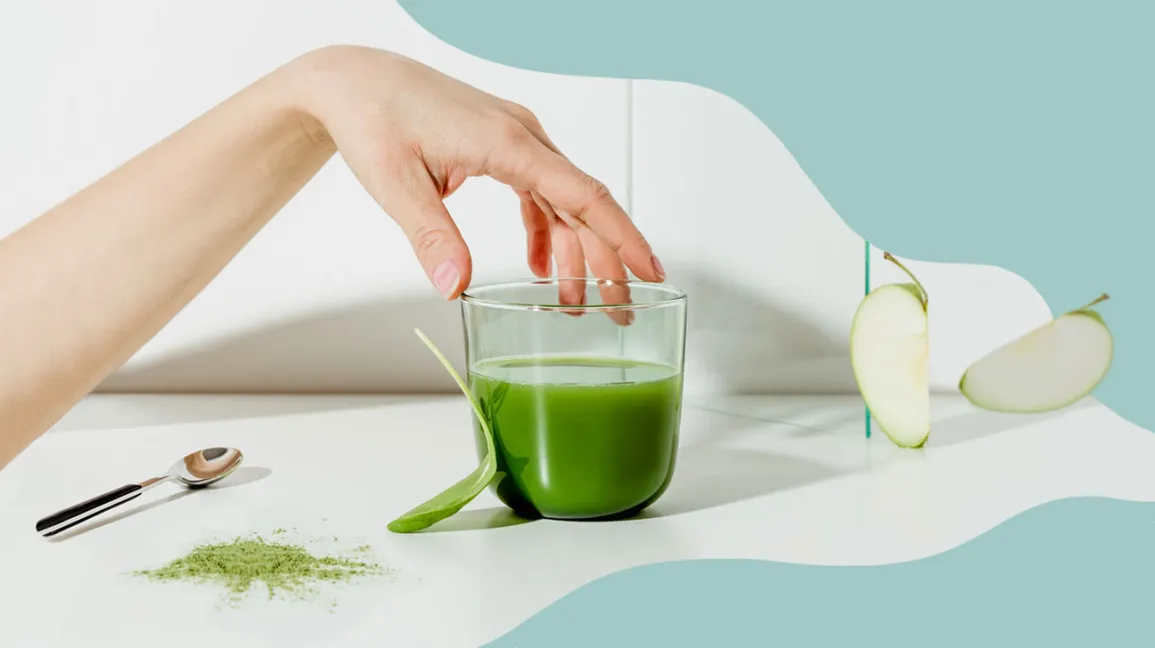
Green bottles line store shelves, promising glowing skin, rapid weight loss, and a body that suddenly feels “cleansed.” Marketing teams call it detox juice, and the messaging suggests that a few days of sipping brightly colored liquids can reset your health. I see these promises everywhere, from influencer posts to expensive subscription programs delivered in sleek packaging. The more I looked into it, the more obvious it became that the detox juice industry thrives on clever storytelling rather than real science.
The wellness world has mastered the art of selling hope in a bottle. Detox juices are often marketed as shortcuts to better health, appealing to people who want fast results without complicated lifestyle changes. The idea sounds appealing on the surface, but the reality behind these products tells a very different story.
The deeper I dug into the claims, the clearer it became that detox juice programs rely heavily on myths about how the body works. Many companies frame detoxing as something your body needs help doing, while conveniently ignoring the fact that human biology already handles detoxification extremely well on its own. The marketing narrative sells the illusion of control, suggesting that health can be purchased in convenient bottles.
The Detox Myth That Built a Billion Dollar Industry
The word detox carries a powerful psychological pull. It implies that the body is filled with harmful substances that need to be flushed out quickly. Wellness brands use this idea constantly, framing juice cleanses as solutions to vague problems like fatigue, bloating, or feeling “toxic.”
In reality, the body already has highly effective systems designed to remove waste and toxins. The liver, kidneys, digestive tract, lungs, and skin work together around the clock to maintain internal balance. These systems do not require expensive juices to perform their job, and they certainly do not suddenly stop working without a three-day cleanse.
The detox narrative thrives because it simplifies health into a quick fix. Many people want an easy reset after unhealthy eating or stressful periods. Detox juice brands capitalize on this desire by packaging simple fruit and vegetable blends as powerful purification tools. The marketing is persuasive, but the science rarely supports the claims.
Why Detox Juice Claims Sound Convincing
Detox juice programs often include impressive sounding language that makes them appear credible. Terms like “cleanse,” “alkalize,” “flush toxins,” and “reset metabolism” are commonly used in advertisements. These phrases create the illusion of scientific backing even though many of them have no clear medical definition.
I noticed that many detox juice companies rely heavily on vague descriptions rather than measurable outcomes. The products promise to support digestion, improve energy levels, and enhance overall wellness. These statements are difficult to disprove because they are intentionally broad and subjective.
Testimonials also play a major role in reinforcing the illusion. Influencers and satisfied customers share dramatic before and after stories that make the products seem transformative. Personal experiences can be compelling, but they are not reliable evidence of a product’s effectiveness.
The Nutritional Reality Behind Juice Cleanses
Most detox juices are made primarily from fruit, vegetables, and sometimes herbs. While these ingredients can certainly be part of a healthy diet, turning them into juice changes their nutritional profile in significant ways.
Juicing removes much of the fiber that makes whole fruits and vegetables beneficial. Fiber plays an important role in digestion, blood sugar regulation, and maintaining satiety. Without it, juice becomes a concentrated source of natural sugars that can spike blood glucose levels more quickly.
Many detox programs also recommend replacing regular meals with juice for several days. This approach dramatically reduces protein intake and often results in insufficient calorie consumption. The short term weight loss that people experience during juice cleanses is often due to water loss and reduced calorie intake rather than any meaningful detoxification.
The Psychology Behind Detox Marketing
Wellness marketing often taps into feelings of guilt and self improvement. Detox juice advertisements frequently suggest that modern lifestyles are full of hidden toxins from food, pollution, and stress. This framing creates a problem that the product conveniently claims to solve.
The messaging often portrays detox programs as acts of discipline or self care. Completing a multi day cleanse can feel like a personal achievement, especially when accompanied by strict rules and visible progress such as temporary weight loss.
I find it interesting how these programs also encourage community participation. Many detox brands run social media challenges where participants share their experiences online. The sense of belonging and accountability can make the cleanse feel more legitimate, even if the underlying claims remain questionable.
Why The Body Does Not Need Juice To Detox
Human physiology is far more sophisticated than detox marketing suggests. The liver processes harmful substances by converting them into compounds that can be safely eliminated. The kidneys filter waste products from the blood and remove them through urine.
These organs operate continuously, adapting to changes in diet and environment without requiring special juices. Drinking a blend of fruits and vegetables does not suddenly enhance these systems in a dramatic way.
A balanced diet, adequate hydration, and sufficient sleep support the body’s natural detoxification processes far more effectively than short term juice programs. These habits may sound less glamorous than a three day cleanse, but they align much better with how the body actually functions.
The Hidden Costs Of Juice Cleanses
Detox juice programs can be surprisingly expensive. Some brands charge hundreds of dollars for a single multi day cleanse. The cost is often justified through premium branding, organic ingredients, and promises of transformative results.
I have seen companies frame these prices as investments in health. The packaging is sleek, the branding is aspirational, and the messaging often emphasizes luxury wellness experiences. The result is a product that feels exclusive and desirable.
The reality is that many detox juices contain ingredients that could be purchased at a grocery store for a fraction of the price. The difference lies primarily in marketing, convenience, and the narrative built around the product.
The Temporary Effects People Mistake For Detox
Many people report feeling lighter or more energized during a juice cleanse. These sensations can easily be interpreted as signs that toxins are leaving the body. In many cases, the explanation is far less dramatic.
Reducing processed foods and alcohol during a cleanse can temporarily improve digestion and reduce bloating. Consuming large amounts of fruits and vegetables may also increase vitamin intake in the short term.
Calorie restriction plays a significant role as well. Eating fewer calories than usual often leads to quick weight loss and a sense of physical lightness. These effects are real, but they do not indicate that toxins are being removed through juice.
The Influence Of Wellness Influencers
Social media has dramatically amplified the reach of detox juice marketing. Influencers often share curated glimpses of their wellness routines, which may include colorful juice bottles lined up in aesthetically pleasing kitchens.
These posts rarely include detailed discussions about nutrition science. Instead, they focus on visual appeal, personal anecdotes, and aspirational lifestyles. The result is a form of marketing that feels authentic even though it may be sponsored or strategically curated.
The influence of these endorsements should not be underestimated. Followers often trust the recommendations of creators they admire, which makes detox juices seem more credible than they might appear in traditional advertising.
Health Trends That Replace Evidence With Hype
The wellness industry moves quickly from one trend to the next. Detox juices are part of a larger pattern where simple foods are repackaged as miracle solutions. These trends often spread rapidly through social media before scientific evidence can catch up.
Juice cleanses gained popularity because they combine several appealing elements. They promise transformation, require short term commitment, and produce visible results that can be shared online.
The cycle tends to repeat itself with different products over time. A new trend appears, influencers promote it enthusiastically, and consumers rush to try it in hopes of achieving similar benefits.
A More Realistic Approach To Health
After exploring the detox juice industry more closely, my perspective on wellness marketing changed significantly. Health rarely comes from short term programs or trendy products. Sustainable habits play a far greater role in long term wellbeing.
Eating whole foods, maintaining regular physical activity, managing stress, and getting adequate sleep remain some of the most effective strategies for supporting the body’s natural systems. These practices may not sound as exciting as a juice cleanse, but they are grounded in decades of research.
Real health improvements often happen gradually rather than overnight. This slower pace can feel less satisfying than quick fixes, but it reflects the reality of how the human body adapts and heals.
How Consumers Can Spot Wellness Scams
Detox juice marketing offers several clues that can help consumers evaluate similar products in the future. Claims that promise rapid transformation or dramatic detoxification should always raise questions.
Vague language is another common warning sign. If a product claims to remove toxins without explaining what those toxins are or how the process works, skepticism is warranted.
Transparency matters as well. Brands that provide clear nutritional information, cite credible research, and avoid exaggerated promises tend to offer more trustworthy products.
Why The Detox Narrative Persists
Despite increasing skepticism from nutrition experts, detox juices continue to sell extremely well. The persistence of this trend highlights how powerful marketing narratives can be.
The idea of cleansing the body appeals to deep cultural beliefs about purity and renewal. Many people find comfort in the concept of starting fresh, especially after periods of unhealthy habits.
Wellness brands understand this emotional appeal and build entire marketing strategies around it. The detox narrative offers hope, simplicity, and the promise of control over health, which makes it remarkably resilient even when evidence is limited.
Final Thoughts On Detox Juice Culture
Detox juice programs illustrate how easily health narratives can be shaped by marketing. Bright packaging, persuasive testimonials, and scientific sounding language can transform ordinary ingredients into premium wellness products.
Looking beyond the marketing reveals a simpler truth. The human body already has sophisticated systems designed to keep it functioning properly. Supporting those systems through balanced nutrition and healthy habits is far more effective than relying on short term juice cleanses.
The detox juice industry is unlikely to disappear anytime soon. As long as people seek quick solutions and dramatic transformations, companies will continue to package ordinary foods as miracle cures. Recognizing the difference between marketing and science makes it much easier to see detox juice for what it really is: a clever wellness trend built more on storytelling than genuine detoxification.
