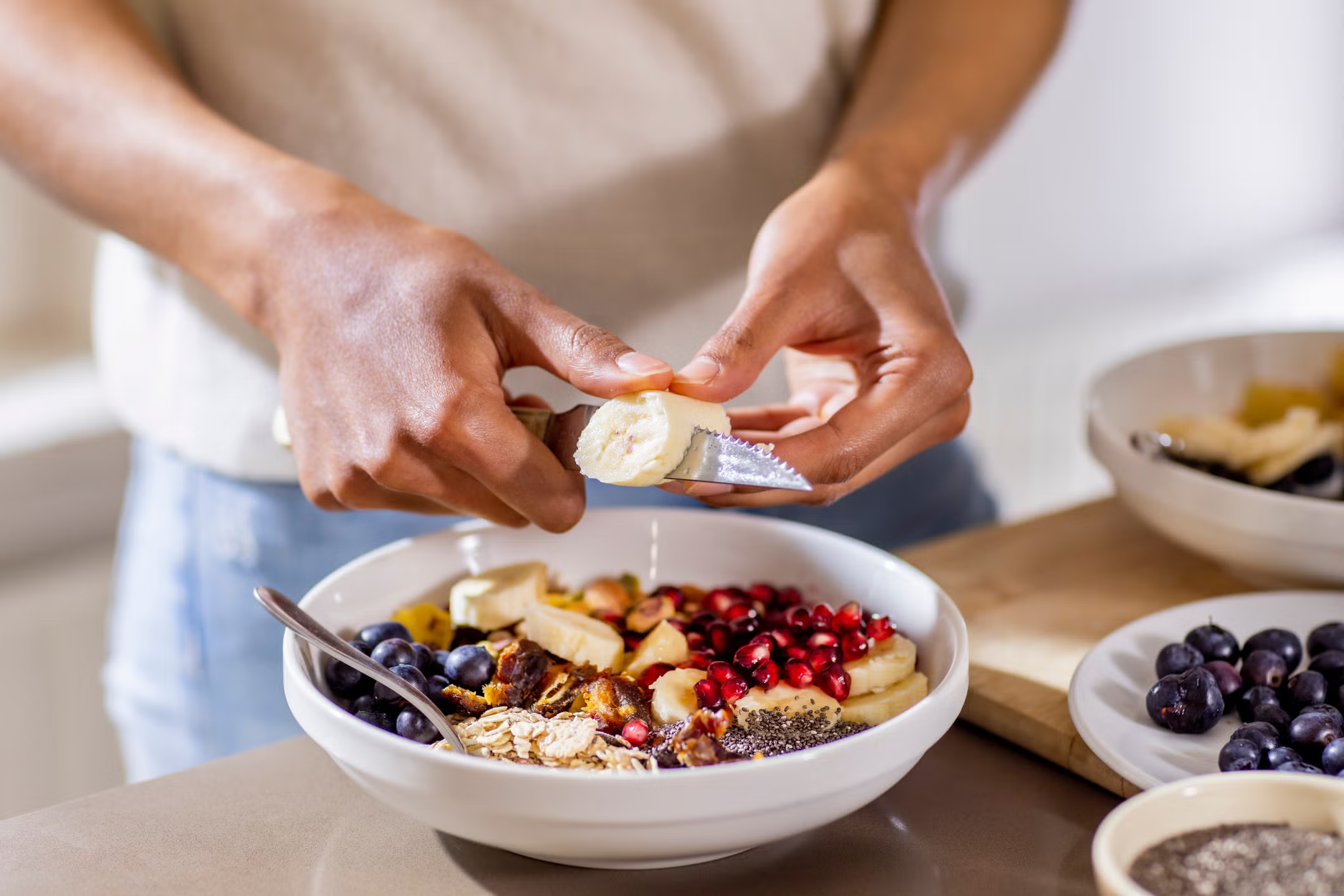
Food used to feel like a constant negotiation in my life. Eat less and lose weight, or enjoy meals and watch the scale climb. That seemed to be the rule everyone repeated for years. Eventually I realized the problem was not how much food I was eating, but what kind of food was filling my plate. Once that clicked, the entire relationship between appetite and weight started to look very different.
The idea that eating more could actually help someone weigh less sounds absurd at first. Diet culture trains us to believe that restriction is the only path to progress. The truth is far more interesting. Certain foods provide satisfaction, nutrients, and fullness without loading the body with excessive calories. That shift changes everything because suddenly larger portions do not automatically translate into weight gain.
A plate full of the right foods can feel abundant instead of restrictive. Hunger becomes manageable instead of overwhelming. Energy improves because meals are fueling the body rather than leaving it drained. The surprising part is that eating more of the right foods often leads to naturally eating fewer calories overall without even trying.
The Secret Lies In Food Volume
Food volume refers to how much physical space food takes up in your stomach relative to the calories it contains. Some foods pack a huge number of calories into a tiny portion. Others offer large portions with relatively few calories. Once I began focusing on volume, meals became far more satisfying without sabotaging weight goals.
Vegetables are the easiest example of this concept. A giant bowl of leafy greens, cucumbers, tomatoes, and peppers can fill a plate and stretch the stomach comfortably. That entire bowl may contain fewer calories than a small pastry or handful of chips. The difference lies in water content, fiber, and overall density.
High volume foods send signals to the brain that the stomach is full. Stretch receptors activate and hormones associated with satiety begin to rise. The brain interprets this as a signal that enough food has been consumed. Instead of feeling deprived, the body feels genuinely satisfied.
That experience changes the entire tone of eating. Meals become generous rather than restrictive. The plate looks full, hunger fades, and calorie intake stays lower almost effortlessly.
Fiber Turns Big Portions Into Weight Loss Tools
Fiber plays a massive role in the eat-more-weigh-less approach. Foods rich in fiber expand in the digestive system and slow the rate at which food leaves the stomach. That combination increases fullness while stabilizing blood sugar levels. Appetite becomes easier to manage when energy levels stay steady.
Vegetables, fruits, legumes, and whole grains are excellent fiber sources. A bowl of lentil soup or a large apple with peanut butter creates lasting fullness. The body spends more time digesting fiber-rich foods, which delays hunger signals for hours.
Low fiber foods behave very differently in the body. Highly processed snacks often disappear quickly in digestion and leave people hungry again soon afterward. This pattern encourages constant snacking without ever reaching real satisfaction.
Increasing fiber intake gradually changed how I experienced hunger. Meals felt bigger and more filling, yet total calories remained reasonable. Instead of fighting cravings all day, fullness lingered comfortably between meals.
Protein Makes Meals More Filling
Protein has a powerful effect on appetite control. Meals that include sufficient protein help reduce hunger hormones and increase satiety signals. The result is a feeling of satisfaction that lasts longer after eating.
A plate that includes chicken, fish, eggs, tofu, or beans often feels more complete than a plate built primarily around refined carbohydrates. Protein slows digestion and stabilizes blood sugar levels. Energy remains steady rather than rising and crashing.
Breakfast offers a great example of protein’s impact. A sugary cereal may feel filling for a short period but hunger returns quickly. A breakfast built around eggs, yogurt, or protein-rich oatmeal keeps appetite in check for much longer.
Adding protein to each meal creates balance. Large portions of vegetables and whole foods feel even more satisfying when combined with a reliable protein source. This combination supports both fullness and nutrition while helping prevent overeating later in the day.
Water-Rich Foods Naturally Reduce Calories
Water plays a quiet but powerful role in appetite control. Many high-volume foods contain large amounts of water, which increases portion size without adding calories. That extra weight and bulk contribute significantly to fullness.
Soups are a perfect example. A vegetable soup or broth-based meal fills the stomach quickly and provides warmth and comfort. The water content helps create a satisfying experience without excessive calories.
Fruits also provide hydration along with natural sweetness. Watermelon, oranges, berries, and apples deliver flavor and fullness simultaneously. These foods often replace high-calorie desserts or snacks without feeling like a compromise.
Meals that contain water-rich ingredients tend to be naturally lighter in calories. At the same time, they appear abundant and satisfying on the plate. This balance makes it easier to enjoy food while supporting weight goals.
Whole Foods Crowd Out Processed Foods
Highly processed foods are often calorie-dense and designed to encourage overeating. They combine refined carbohydrates, fats, salt, and flavor enhancers that stimulate appetite rather than satisfy it. A small portion can deliver a huge calorie load while leaving hunger unresolved.
Whole foods behave very differently. Fruits, vegetables, lean proteins, legumes, and whole grains provide nutrients and fiber that support satiety. These foods require more chewing and digestion, which gives the body time to register fullness.
Replacing processed foods with whole foods does not necessarily mean eating less. In many cases the opposite happens. Portions become larger because whole foods tend to contain fewer calories per bite.
This shift feels surprisingly liberating. Plates become colorful, meals become satisfying, and the body begins to respond positively. Hunger no longer feels like an enemy to battle throughout the day.
Strategic Meal Structure Changes Everything
Meal structure matters as much as food choice. Starting meals with high-volume foods helps regulate appetite before calorie-dense items appear on the plate. This approach naturally guides the body toward balance.
A large salad or vegetable soup at the beginning of a meal creates early fullness. By the time the main portion arrives, appetite is already partially satisfied. Smaller servings of calorie-dense foods feel completely adequate.
Spacing meals evenly throughout the day also prevents extreme hunger. Long gaps without food can trigger intense cravings and poor food decisions. Consistent meals support stable energy levels and better portion control.
Planning meals with volume, protein, and fiber in mind allows generous eating without guilt. Hunger stays manageable and satisfaction remains high.
Slow Eating Strengthens Satiety Signals
Speed influences how much food people consume. Eating quickly often leads to overeating because the brain does not have time to register fullness. Satiety hormones take about twenty minutes to communicate that enough food has been consumed.
Slowing down during meals allows the body to catch up with the experience of eating. Chewing thoroughly and pausing between bites gives digestion a head start. Fullness signals have time to reach the brain.
Large portions of high-volume foods naturally encourage slower eating. Vegetables, fruits, and whole grains require more chewing than processed snacks. Meals last longer and satisfaction develops gradually.
A slower pace transforms the eating experience. Instead of rushing through meals, food becomes something to enjoy. This change alone often reduces calorie intake without requiring strict portion control.
The Role Of Mindset In Eating More And Weighing Less
Mental framing influences how people relate to food. Restrictive thinking often triggers feelings of deprivation, which can lead to overeating later. Viewing food as fuel and nourishment creates a more balanced perspective.
Focusing on abundance rather than restriction changes behavior dramatically. Instead of asking what foods need to be removed, attention shifts toward what foods can be added. Vegetables, fruits, legumes, and protein sources begin to fill the plate naturally.
This approach removes the emotional tension that surrounds dieting. Eating feels supportive rather than stressful. Meals become opportunities to nourish the body rather than tests of willpower.
A mindset built around satisfaction and nourishment encourages consistency. Habits built this way tend to last longer than strict diets because they feel sustainable in everyday life.
Everyday Foods That Make This Strategy Work
Certain foods make the eat-more-weigh-less concept incredibly practical. Leafy greens such as spinach, arugula, and romaine provide enormous volume with very few calories. A huge salad can easily become the centerpiece of a meal.
Cruciferous vegetables like broccoli, cauliflower, and cabbage also deliver impressive fullness. These vegetables contain fiber and water while remaining relatively low in calories. Roasting them adds flavor while preserving their satisfying texture.
Legumes such as lentils, chickpeas, and black beans provide both protein and fiber. A bowl of bean-based chili or lentil stew feels hearty and comforting. These meals support fullness for hours.
Fruits offer sweetness, hydration, and fiber in one package. Berries, apples, oranges, and pears make excellent snacks or dessert alternatives. Their natural sugars come paired with fiber that slows digestion and prevents blood sugar spikes.
Building meals around these foods makes it possible to eat generously without worrying about calorie overload. The body receives nutrients, fullness increases, and the scale often begins moving in the desired direction.
Why Dieting Often Fails
Traditional dieting focuses heavily on restriction. Portion sizes shrink dramatically and favorite foods disappear. Hunger grows stronger while satisfaction becomes harder to find.
Eventually the body pushes back against prolonged restriction. Hormones that regulate hunger increase, cravings intensify, and energy levels decline. Many people eventually return to previous eating habits and regain the weight.
Volume-based eating works differently because it prioritizes satisfaction. The stomach receives plenty of food, fullness signals activate, and hunger remains manageable. Instead of fighting the body’s natural signals, this strategy works alongside them.
Sustainable weight management depends on habits that feel realistic long term. Eating larger portions of the right foods supports both enjoyment and consistency.
Eating Generously Without Fear
Food does not have to be an enemy in the pursuit of better health. Plates can be full, meals can feel satisfying, and weight goals can still move in the right direction. The key lies in the balance of nutrients, volume, and food quality.
A plate piled high with vegetables, lean protein, and fiber-rich foods sends the body signals of abundance. Hunger fades, energy improves, and cravings become easier to manage. This combination creates a powerful foundation for long-term health.
Eating more while weighing less may sound like a paradox, but the logic becomes clear once food quality enters the picture. Large portions of nutrient-dense foods provide the satisfaction people seek without overwhelming the body with calories.
The most surprising discovery in this journey is how freeing it feels. Meals stop feeling like negotiations and start feeling like nourishment. Plates look generous, appetite feels satisfied, and progress becomes sustainable in a way that restrictive diets rarely achieve.
