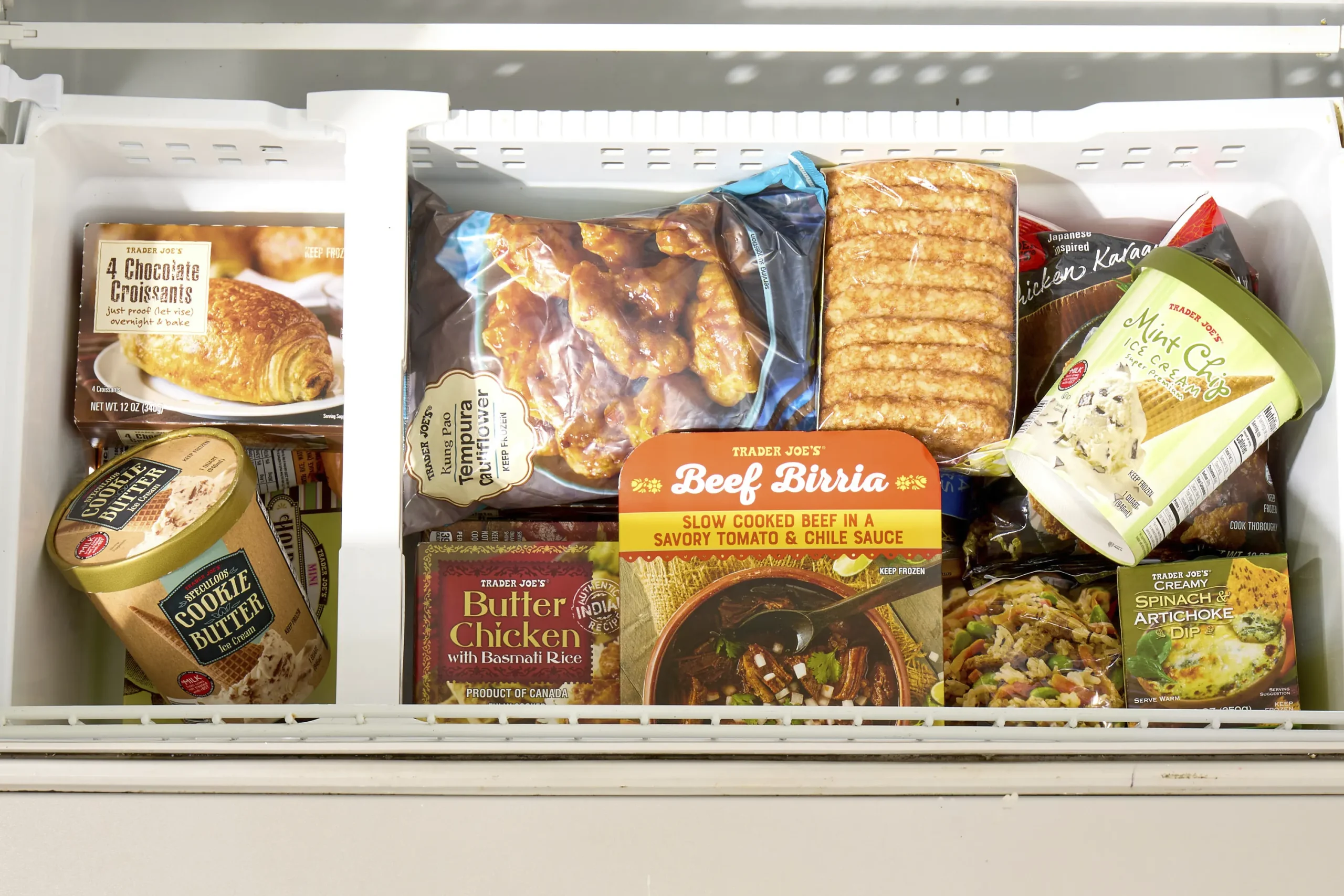
Late-night snacking used to sabotage my best intentions. Even after planning balanced meals and stocking my kitchen with healthier options, cravings still crept in during the quiet hours of the evening. A handful of chips turned into half a bag, and a small dessert often led to something else shortly after. The cycle felt frustrating because it never came from true hunger but from convenience, habit, and impulse.
One simple shift in how I used my freezer completely changed the pattern. The freezer became more than a place to store ice cream and forgotten leftovers. It became a tool that quietly guided my choices and made healthier eating the easiest option in the house.
This approach did not rely on strict dieting or eliminating foods entirely. Instead, it created a small barrier between impulse and action while making nourishing snacks easier to reach. Over time, that small barrier helped my brain reset its expectations around snacking.
Why Unhealthy Snacks Win So Easily
Most unhealthy snacking happens because of accessibility. Foods that are salty, sugary, or highly processed are designed to be eaten quickly and with little effort. A bag of cookies can be opened in seconds, and chips require no preparation at all. Convenience gives these foods an unfair advantage.
My brain rarely asked whether I was truly hungry. It simply noticed that the snack was nearby and easy to grab. When something requires almost no effort, the decision becomes automatic rather than intentional.
The freezer hack works by shifting that convenience equation. It introduces a pause between the craving and the snack, which changes how the brain reacts to the impulse. That pause can be enough to break the cycle of mindless eating.
Turning the Freezer Into a Decision Filter
The core idea behind the freezer hack is simple. Instead of storing unhealthy snacks in cabinets or on the counter, they go directly into the freezer. Foods that I want to eat regularly stay visible and easy to access in the fridge or pantry.
The freezer naturally slows things down. If I want a cookie or a slice of cake, I have to wait for it to thaw. That short delay creates a moment where I can decide whether I truly want it or if the craving will pass.
This small change acts like a decision filter. Many cravings disappear within a few minutes once the initial impulse fades. By the time the snack is ready, the urge is often gone.
The Science Behind Delayed Gratification
The brain responds strongly to immediate rewards. Foods high in sugar and fat trigger dopamine signals that encourage repeated behavior. The faster the reward arrives, the stronger the habit becomes.
Delaying gratification weakens that automatic loop. When a reward requires waiting, the brain has time to engage the more rational parts of decision making. Instead of reacting impulsively, I start evaluating whether the snack is worth the wait.
This delay does not feel restrictive because the food is still available. Knowing that I can have it later reduces the sense of deprivation while still preventing automatic overeating.
Preparing Healthy Snacks For the Freezer
The freezer becomes even more powerful when it holds healthy options as well. Instead of relying on processed snacks, I began preparing simple freezer-friendly foods that satisfy cravings in a balanced way.
Frozen grapes quickly became one of my favorite discoveries. They taste like bite-sized sorbet and provide natural sweetness without added sugar. The texture alone makes them feel like a treat rather than a substitute.
Banana slices dipped in dark chocolate also freeze beautifully. The combination of creamy banana and firm chocolate satisfies dessert cravings while still providing nutrients. Having these ready to go removes the temptation to reach for packaged sweets.
Portion Control Without Feeling Restricted
One unexpected benefit of the freezer hack is natural portion control. Many foods freeze well when divided into individual servings. Brownies, muffins, or even pizza slices can be wrapped separately before freezing.
This method prevents the situation where an entire tray of baked goods sits on the counter tempting me all day. Instead, each portion becomes its own deliberate choice.
Pulling one serving from the freezer encourages mindfulness. Instead of absentmindedly eating multiple pieces, I pause and consider whether I want another portion enough to wait for it to thaw.
Rewiring Cravings Through Environment
Willpower often gets too much credit in discussions about healthy eating. Environment plays a far bigger role than most people realize. The foods that sit within arm’s reach shape daily decisions more than motivation ever could.
Moving snacks into the freezer changes that environment in a subtle but powerful way. Foods that once demanded attention become background items. Meanwhile, healthier choices move closer to the front of the fridge and pantry.
After several weeks, my cravings began to shift naturally. The brain adapted to what was easiest to access, and healthy snacks started feeling just as normal as the old habits once did.
The Five Minute Pause That Changes Everything
Most cravings last only a few minutes. They feel intense in the moment but fade surprisingly quickly when not immediately satisfied. The freezer hack creates a built-in waiting period that allows this natural cycle to happen.
During those few minutes, I often grab a glass of water or step away from the kitchen. Sometimes I realize that boredom or stress triggered the craving rather than hunger.
Even if I still want the snack afterward, the decision becomes intentional rather than automatic. That small shift builds a healthier relationship with food over time.
Building a Freezer Strategy That Works
The success of this approach depends on thoughtful organization. My freezer now has a simple structure that makes healthy options visible and easy to reach.
One section holds fruit-based snacks like frozen berries, grapes, and smoothie packs. Another section stores homemade treats such as muffins, energy bites, or banana bread sliced into individual pieces.
Less nutritious snacks stay in the back, wrapped tightly and out of sight. They remain available but require effort to access, which naturally reduces how often I eat them.
Sweet Cravings Without the Sugar Crash
Sweet cravings used to be the hardest habit to control. Desserts often triggered a cycle where sugar spikes led to energy crashes and more cravings later in the evening.
Frozen fruit changed that pattern in a surprisingly satisfying way. Mango chunks, pineapple pieces, and blended yogurt pops deliver natural sweetness while still providing fiber and nutrients.
The cold temperature slows down how quickly I eat them as well. Instead of disappearing in seconds, each bite takes longer to enjoy, which increases satisfaction and reduces overeating.
Turning Leftovers Into Healthy Snacks
Leftovers once felt like an afterthought in my kitchen. Extra soup or cooked grains often sat in the fridge until they eventually went bad. Freezing those leftovers transformed them into convenient future snacks.
Small containers of vegetable soup or chili now live in the freezer ready for busy afternoons. A warm, nourishing snack often satisfies cravings far better than processed foods ever could.
This habit also reduces food waste. Meals that might have been forgotten now become easy options on days when cooking feels like too much effort.
Breaking the Late Night Snacking Habit
Late night snacking thrives on convenience. Fatigue lowers willpower, and the brain seeks quick comfort foods. The freezer hack interrupts that pattern by adding just enough friction to stop automatic eating.
Standing in the kitchen waiting for something to thaw rarely feels appealing late at night. That delay often leads me to reconsider whether the snack is worth the effort.
Many evenings end with a cup of tea instead of a sugary dessert. The ritual of preparing a warm drink replaces the old habit while still offering comfort.
Small Changes That Lead to Lasting Habits
Major diet overhauls rarely last because they rely on constant self control. Small environmental shifts create change in a quieter and more sustainable way. The freezer hack falls squarely into that category.
Each time the freezer introduces a pause between craving and action, the brain practices a new pattern. Over weeks and months, those pauses accumulate into a completely different relationship with snacking.
Healthy eating begins to feel less like discipline and more like the natural result of the environment around me.
Making Healthy Snacking Effortless
The ultimate goal of the freezer hack is not restriction but simplicity. By making healthier foods the easiest option and less nutritious snacks slightly inconvenient, daily decisions become almost automatic.
A handful of frozen berries, a homemade smoothie pack, or a frozen yogurt pop can satisfy cravings just as effectively as packaged snacks. The difference lies in preparation and placement.
Once the freezer becomes part of a thoughtful food system, unhealthy snacking loses its grip. Cravings still appear from time to time, but they no longer control the outcome.
A Simple Tool With Powerful Results
The freezer sits quietly in nearly every kitchen, yet it rarely gets used as a strategy for better eating. Shifting how food is stored can transform it into one of the most helpful tools for breaking snacking habits.
This method works because it respects how the brain actually behaves. Instead of fighting cravings head on, it introduces gentle friction that guides better decisions.
Over time, the freezer hack creates a kitchen environment where healthy choices require the least effort. That simple change can quietly eliminate the cycle of unhealthy snacking and replace it with habits that support long term well being.
