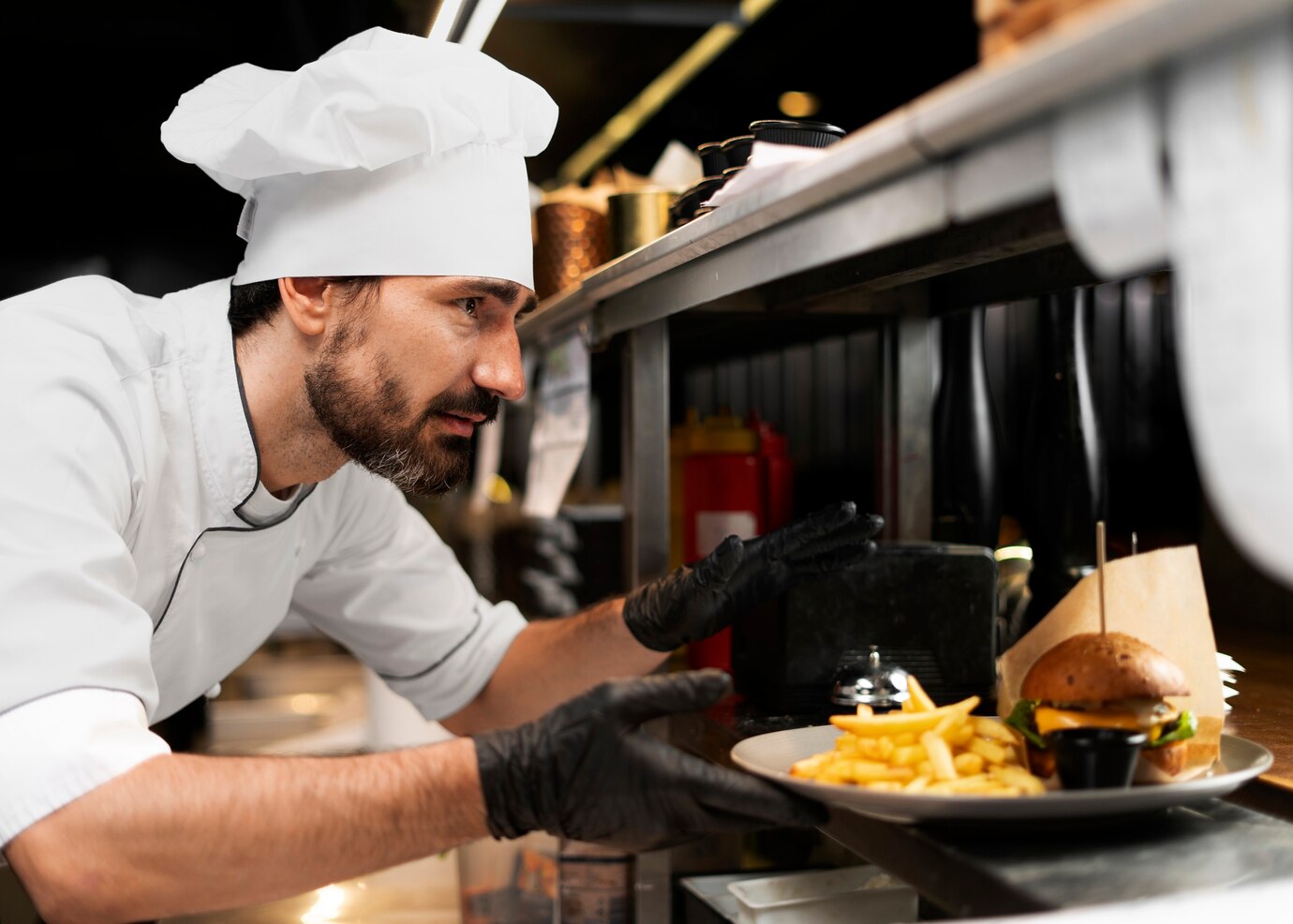
Fast food has a reputation for being greasy, oversized, and nutritionally questionable, but it doesn’t have to stay that way. A quick stop at a drive-thru can still result in a meal that feels balanced, satisfying, and surprisingly decent if a few simple adjustments are made. Over time, I realized that the key isn’t avoiding fast food entirely but learning how to work with what’s available on the menu. Most chains offer more flexibility than people think, and small swaps can transform a heavy order into something that actually fuels the body instead of leaving it sluggish. The goal is not perfection but practicality, especially on busy days when cooking isn’t an option.
Look Beyond The Default Combo
Combo meals dominate fast food menus because they are convenient and profitable for restaurants. The standard burger, fries, and sugary drink combination might feel like the easiest option, but it often contains more calories, sodium, and sugar than necessary. Breaking away from the combo opens the door to creating a more balanced plate.
Ordering items individually allows more control over portion size and ingredients. A smaller sandwich paired with a side salad, fruit cup, or even a simple yogurt can replace fries without sacrificing satisfaction. Fast food menus rarely advertise these combinations directly, but most locations offer the pieces needed to assemble them.
This shift also changes the mindset around ordering. Instead of selecting what the menu suggests, the meal becomes something intentionally put together. That small change alone makes fast food feel less like a compromise and more like a quick solution.
Start With A Better Main Item
The centerpiece of most fast food meals is the sandwich, wrap, or bowl. Some options are naturally heavier due to double patties, creamy sauces, or oversized buns. Swapping these for simpler versions often cuts a large amount of excess calories while keeping the meal filling.
Grilled proteins usually make a noticeable difference. Grilled chicken sandwiches, simple burgers without extra patties, or wraps built around leaner ingredients tend to feel lighter without losing flavor. These items also pair better with fresh toppings like lettuce, tomato, and onion, which add texture and freshness.
Customization also helps refine the main item. Asking for less sauce, skipping processed cheese, or requesting extra vegetables can subtly reshape the meal. Fast food kitchens handle modifications all day long, so most requests barely slow down the process.
Upgrade The Side Dish Strategy
Fries are the most iconic fast food side, but they are also one of the easiest places to improve a meal. Many chains now offer alternatives such as salads, apple slices, corn cups, or even oatmeal depending on the time of day. These options often provide fiber or nutrients that fries simply do not.
Switching sides doesn’t mean sacrificing flavor or satisfaction. A small portion of fries paired with a healthier side works surprisingly well. That combination delivers the familiar taste people crave while reducing the portion that often pushes the meal into excess territory.
Another trick involves skipping the side entirely and focusing on a stronger main item. A filling sandwich or wrap with plenty of vegetables can make a separate side unnecessary. This approach simplifies the order while still leaving the meal satisfying.
Make Smart Drink Swaps
Drinks can quietly turn an average fast food meal into a sugar overload. Large sodas and sweetened beverages add hundreds of calories without doing much to curb hunger. Replacing them with simpler drinks instantly improves the overall balance of the meal.
Water remains the most straightforward option, and many restaurants provide it for free. Unsweetened iced tea or sparkling water can also deliver flavor without the added sugar. These drinks help maintain hydration without competing with the meal itself.
Occasionally a small soda can still fit into the order without causing problems. Portion size makes the difference here. A smaller drink offers the taste people want while preventing the meal from becoming overwhelmingly sugary.
Take Advantage Of Customization
Fast food chains operate on standardized menus, but behind the scenes they handle a huge number of custom orders. Asking for adjustments can reshape almost any item without turning the order into a complicated request. A few small modifications can dramatically change the nutritional profile of a meal.
Sauces are one of the easiest things to control. Requesting sauce on the side or reducing the amount helps avoid hidden calories while still allowing flavor adjustments. Many sandwiches come overloaded with mayonnaise-based spreads that easily double the calorie count.
Extra vegetables provide another easy improvement. Lettuce, tomato, onion, and pickles add crunch and freshness while barely affecting the price or preparation time. Adding these ingredients can make a fast food meal feel closer to something homemade.
Watch Portion Size Without Feeling Restricted
Portion size plays a huge role in how fast food affects the body. Many menu items are designed to be larger than necessary, especially when combined with sides and drinks. Reducing portions doesn’t mean leaving the restaurant hungry.
Ordering smaller versions of popular items works surprisingly well. A single cheeseburger instead of a double, a junior sandwich instead of the largest option, or a half portion where available often provides enough food to satisfy hunger. The key is recognizing that fast food servings are typically oversized.
Sharing items can also help manage portions. Splitting fries with a friend or saving part of a sandwich for later spreads the meal out without feeling like anything was sacrificed. These strategies allow fast food to remain enjoyable without becoming overwhelming.
Balance Protein, Carbs, And Fresh Ingredients
A decent meal usually contains a mix of protein, carbohydrates, and some form of produce. Fast food menus may not advertise this balance, but it is usually possible to assemble it with a little creativity. A grilled chicken sandwich, fruit cup, and water can easily check all three boxes.
Protein helps maintain fullness after the meal ends. Items built around chicken, beans, eggs, or lean beef provide the staying power that simple carbs lack. This balance prevents the quick hunger spike that often follows highly processed meals.
Fresh ingredients add another important layer. Even small portions of vegetables or fruit improve texture and nutritional value. These additions also make fast food meals feel less heavy and more complete.
Learn Which Chains Offer Better Options
Not all fast food restaurants operate the same way. Some specialize in fried comfort foods, while others emphasize customizable bowls, wraps, or sandwiches with fresh ingredients. Knowing which places offer flexibility makes it easier to assemble a better meal quickly.
Restaurants that allow customers to build their own bowls or salads often provide the most control. These setups resemble casual dining more than traditional fast food. They also make it easier to add vegetables, lean proteins, and moderate portions of grains.
Even classic burger chains have expanded their menus over time. Many now offer salads, grilled items, and lighter sides specifically because customers have started asking for them. Recognizing these options turns a quick stop into a more practical meal solution.
Use Condiments With Intention
Condiments carry a surprising amount of calories and sodium. Ketchup, mayonnaise, creamy dressings, and specialty sauces can quickly turn a modest sandwich into a heavier meal. Managing how these ingredients are used makes a noticeable difference.
Requesting condiments on the side allows better control over portion size. Instead of accepting whatever amount the kitchen adds, it becomes possible to dip lightly or skip certain sauces entirely. This simple shift keeps flavor while preventing excess.
Mustard, salsa, and vinegar-based dressings tend to be lighter alternatives. They provide strong flavor with far fewer calories than creamy sauces. Switching condiments often improves a meal without requiring major changes to the main item.
Avoid The Trap Of Over Ordering
Fast food environments encourage larger purchases through deals and promotions. Upsizing meals or adding extra items often feels like the better value at the moment. However, these additions usually lead to eating far more than originally intended.
Sticking to a simple order helps maintain control. A main item, one thoughtful side, and a sensible drink usually provide enough food for most people. Anything beyond that often becomes unnecessary.
The idea is not to eliminate enjoyment but to keep the meal focused. Fast food should solve hunger quickly rather than turning into a heavy feast that slows the rest of the day.
Treat Fast Food As Part Of A Bigger Eating Pattern
One fast food meal rarely determines overall health. What matters more is the pattern of eating throughout the week. A balanced approach allows occasional drive-thru stops without guilt or complicated rules.
Combining smarter fast food orders with home-cooked meals during the rest of the week creates a practical rhythm. Fresh foods, vegetables, and whole ingredients naturally fill the gaps left by quick restaurant stops. This balance makes occasional convenience meals far less concerning.
This perspective also removes unnecessary pressure. Fast food can remain an easy solution during travel, workdays, or busy schedules without becoming the default choice every day.
Build A Personal Fast Food Playbook
Over time, a handful of reliable orders begins to stand out at different restaurants. These go-to meals remove the guesswork from ordering and make healthier decisions automatic. Having a personal playbook turns a chaotic menu into something manageable.
The process usually involves a bit of experimentation. Trying different menu combinations, sides, and drinks helps reveal what feels satisfying without being overly heavy. Eventually those discoveries become routine orders that work every time.
Consistency makes the biggest difference here. Once a few balanced options are identified, fast food stops become predictable and easy to navigate.
Fast food will probably never replace a home-cooked meal made from fresh ingredients, but it also doesn’t need to be the nutritional disaster people often imagine. Small adjustments, thoughtful ordering, and a willingness to customize can turn nearly any menu into something decent. These choices add up over time, proving that convenience and balance can exist on the same tray.
