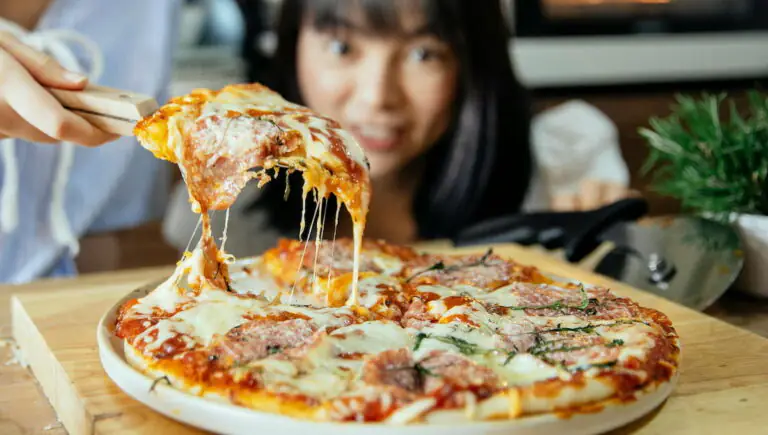
Pizza and macros rarely appear in the same sentence unless someone is joking about ruining their diet. For years, pizza had a reputation as the ultimate cheat food, the thing people swore off when they started tracking calories or macros. The funny part is that pizza does not have to sabotage progress at all. With the right approach, it can actually fit into a balanced macro plan without stress or guilt.
Macros revolve around protein, carbohydrates, and fats. Most people who track macros focus on hitting specific targets for each of those nutrients every day. Pizza contains all three, which means it can absolutely work within a structured nutrition plan. The real difference lies in how it is planned, portioned, and balanced with the rest of the day’s meals.
Many people assume they must sacrifice foods they enjoy to stay on track. That mindset makes dieting feel restrictive and short-lived. Pizza proves that flexible nutrition works much better because it allows favorite foods to stay part of everyday life.
Why Pizza Gets Blamed for Diet Failures
Pizza often becomes the villain in diet conversations because it is easy to overeat. Large slices packed with cheese, fatty meats, and thick crust can quickly push calories far beyond daily targets. One slice rarely stays just one slice, especially during social gatherings or late-night cravings.
The problem is not pizza itself. The problem is how people typically eat it without paying attention to portions or overall nutrition balance. When pizza shows up in unlimited quantities, most people stop thinking about macros entirely.
A macro-based approach changes the situation completely. Tracking creates awareness of what each slice contributes to the daily totals. Once those numbers are visible, pizza becomes manageable rather than dangerous.
Macros That Matter When Eating Pizza
Protein, carbohydrates, and fats all show up in pizza in different proportions. The crust contributes most of the carbohydrates, cheese adds fat and protein, and toppings can vary depending on what goes on the pie. Knowing this breakdown helps integrate pizza into a macro plan without guesswork.
A typical slice of pizza may contain moderate protein, a solid amount of carbs, and a noticeable dose of fat. The numbers vary widely depending on crust thickness, cheese quantity, and toppings. Thin crust vegetable pizza will look very different nutritionally compared with a deep-dish meat lovers slice.
Macro tracking becomes easier when pizza is viewed like any other meal component. Each slice simply counts toward the daily totals, just like rice, chicken, or oats would. That shift in perspective removes the emotional drama people often attach to pizza nights.
Planning the Day Around Pizza
Pizza fits best into a macro plan when the rest of the day’s meals support it. That strategy does not mean starving all day just to eat pizza at night. Instead, it means structuring earlier meals in a way that leaves room for pizza later.
Breakfast and lunch can focus more heavily on lean protein and vegetables. Meals like egg whites with spinach or grilled chicken salads provide strong protein while keeping fats and carbs relatively moderate. Those choices help reserve macro space for pizza later without sacrificing nutrition.
Balanced planning prevents the feeling of blowing an entire diet in one meal. Pizza simply becomes another planned part of the day’s nutrition instead of an unexpected indulgence.
Prioritizing Protein Throughout the Day
Protein often becomes the hardest macro to hit when pizza is involved. Pizza contains some protein, but not usually enough to meet high protein goals by itself. That is why protein earlier in the day plays such an important role.
Meals centered around lean meats, fish, eggs, or protein shakes help establish a strong foundation. Hitting a large portion of the daily protein target before dinner reduces pressure when pizza enters the picture.
This strategy also improves satiety. Higher protein intake earlier in the day helps reduce the urge to overeat later, which naturally keeps pizza portions more reasonable.
Portion Control Without Feeling Restricted
Portion control is the single biggest factor that determines whether pizza fits macros successfully. That does not mean eating one sad slice while everyone else enjoys themselves. It simply means being aware of how many slices align with daily macro goals.
For many people, two slices of pizza fit comfortably into a macro plan depending on the crust and toppings. Some days may allow three slices if earlier meals were lighter in carbs or fats. The key lies in flexibility rather than rigid rules.
Eating slowly helps tremendously in this situation. Enjoying each slice instead of rushing through the meal allows fullness signals to catch up with appetite.
Toppings That Work Better for Macros
Toppings make a huge difference in how macro-friendly a pizza becomes. Leaner toppings generally provide more protein without dramatically increasing fat content. That balance supports macro targets much more effectively.
Chicken, turkey, shrimp, and vegetables tend to work well within macro plans. These toppings add flavor and nutrients while keeping fat levels more controlled compared with heavy sausage or extra cheese combinations.
Vegetables also add volume and fiber. That extra bulk helps meals feel satisfying without drastically increasing calories.
Thin Crust Versus Thick Crust Decisions
Crust thickness can dramatically affect the macro profile of a slice. Thick crust pizza typically contains significantly more carbohydrates and calories. Deep dish styles may also carry extra fat due to oil and cheese content.
Thin crust pizza offers a much lighter carbohydrate load per slice. That makes it easier to fit multiple slices into a macro plan without exceeding carb targets.
This does not mean thick crust must disappear forever. It simply requires more careful portion planning. Thin crust just tends to offer more flexibility.
Balancing Pizza With Other Meals
Balance across the entire day matters far more than any single meal. Pizza night becomes manageable when earlier meals emphasize lean protein and fiber-rich foods. Those meals help maintain nutritional balance and leave room for pizza macros.
Lunches packed with vegetables and lean meats support that strategy well. High-fiber foods like broccoli, spinach, and mixed greens also help regulate hunger throughout the day.
A balanced day prevents the cycle of overeating pizza followed by regret. Nutrition stays consistent even when pizza is involved.
Social Situations and Pizza Nights
Pizza often appears during social gatherings, parties, or casual dinners with friends. These situations can make macro tracking feel difficult because portion sizes become less predictable. Despite that challenge, a few simple habits make pizza nights manageable.
Scanning the options before grabbing a slice helps estimate macros more accurately. Observing crust thickness, cheese levels, and toppings provides quick clues about nutritional content.
Eating a protein-rich snack before arriving can also help control appetite. A small protein shake or Greek yogurt reduces the chance of diving into pizza with extreme hunger.
Homemade Pizza for Better Macro Control
Homemade pizza offers one of the best ways to manage macros. Cooking pizza at home allows complete control over ingredients, crust type, and topping portions. That flexibility makes it easier to design a macro-friendly meal without sacrificing flavor.
Whole wheat crusts, lower-fat cheeses, and lean proteins can dramatically improve the macro balance. Even small adjustments like reducing oil or adding extra vegetables can make a noticeable difference.
Making pizza at home also turns dinner into an enjoyable experience rather than just a calculated meal.
Tracking Pizza Without Obsession
Macro tracking works best when it stays practical rather than obsessive. Pizza macros can be estimated reasonably well using nutrition apps and restaurant data. Precision does not need to be perfect for progress to continue.
Most macro tracking apps already contain entries for common pizza types. Logging those entries provides a solid estimate of calories and macros for each slice.
Consistency matters far more than perfect accuracy. Regular tracking builds awareness that naturally improves food choices over time.
Flexibility That Makes Dieting Sustainable
Rigid dieting often leads to burnout. Cutting out favorite foods entirely may work temporarily, but it rarely lasts long term. Pizza proves that flexibility makes nutrition sustainable.
Including enjoyable foods within macro targets removes the sense of deprivation that often causes diets to fail. Instead of viewing pizza as a forbidden treat, it becomes a normal part of balanced eating.
That mindset creates a healthier relationship with food overall.
Avoiding the All-or-Nothing Trap
Many people abandon their macro goals the moment pizza enters the room. One slice turns into five because the mindset shifts from moderation to surrender. That all-or-nothing thinking sabotages progress far more than pizza itself ever could.
Macro tracking eliminates that trap by providing clear boundaries. A person might plan for two slices and stop there, knowing those slices already fit into the daily totals.
Progress stays intact because the plan never disappeared in the first place.
Long-Term Perspective on Food and Fitness
Nutrition success rarely depends on a single meal. Progress comes from consistent habits repeated across weeks and months. Pizza nights become irrelevant in the bigger picture when the rest of the week remains balanced.
Fitness goals should always support real life rather than isolate people from it. Pizza dinners with friends or family create memories and enjoyment that matter just as much as nutrition numbers.
Macro tracking allows both goals to coexist.
Pizza Can Absolutely Fit Your Macros
Pizza and macro tracking do not have to live on opposite sides of the nutrition world. With thoughtful planning, balanced meals, and reasonable portions, pizza fits comfortably into a macro-focused lifestyle. It becomes another enjoyable food rather than a forbidden indulgence.
The real advantage of macro tracking lies in flexibility. People gain the freedom to eat foods they love while still maintaining progress toward their health goals. Pizza becomes proof that nutrition does not require extreme restriction.
A sustainable approach always beats a perfect but short-lived diet. Pizza simply reminds everyone that balance works better than elimination.
