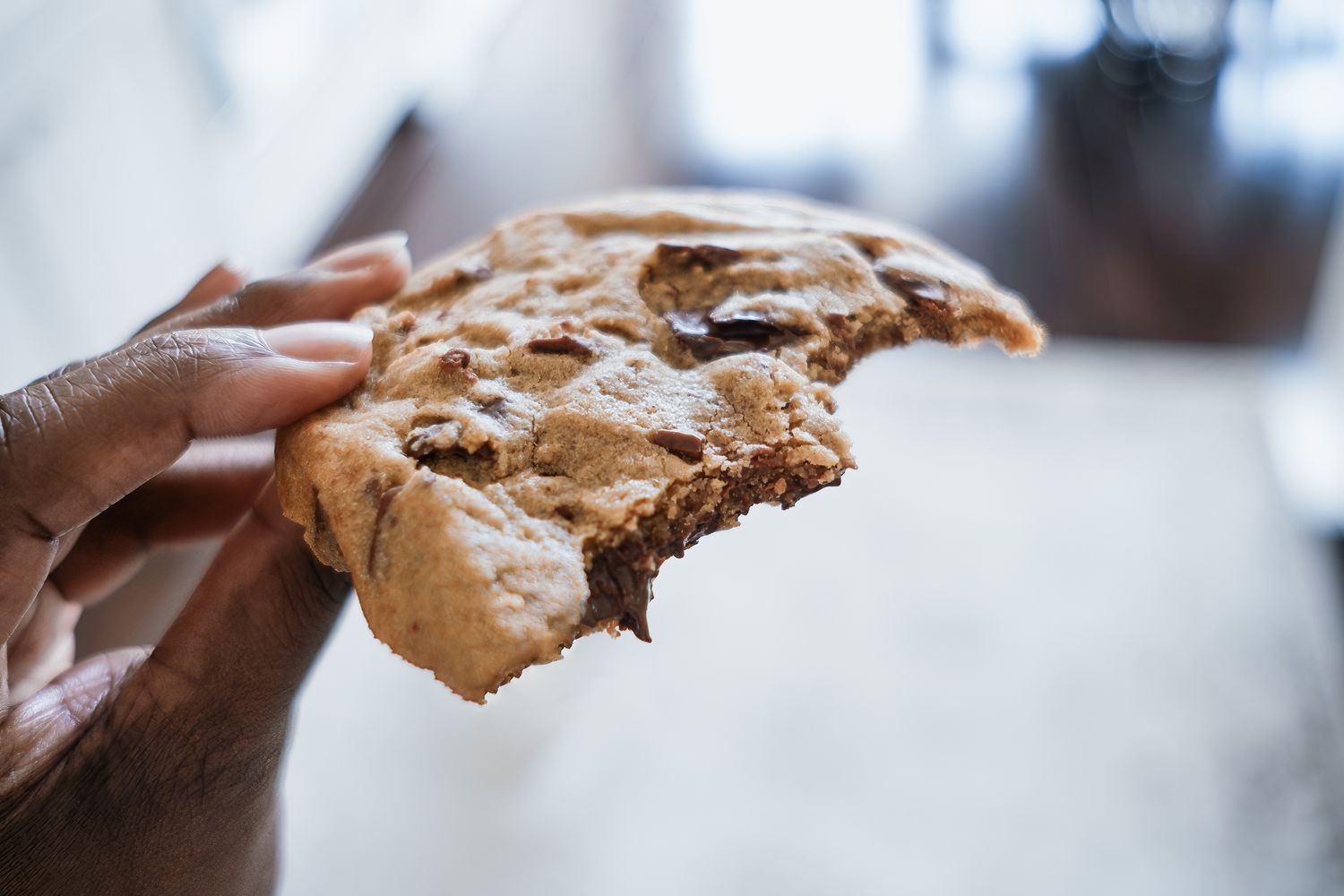
Sugar cravings rarely appear out of nowhere. I began noticing patterns in my own cravings long before I realized they were signals rather than random urges. Late afternoons, stressful evenings, and sleepless nights often brought the strongest desire for sweets. Instead of brushing it off as lack of willpower, I started paying attention to what my body was trying to communicate, and those cravings turned out to be surprisingly informative.
Blood Sugar Swings And Energy Crashes
One of the clearest messages behind a sugar craving is unstable blood sugar. After eating meals heavy in refined carbohydrates or skipping meals entirely, my energy often dipped sharply a few hours later. That drop triggered an intense urge for something sweet because my body wanted quick fuel.
Refined carbohydrates digest quickly and spike blood glucose levels. The body responds by releasing insulin to bring those levels down, but sometimes the drop happens too quickly. That sudden decline leaves the brain searching for the fastest energy source available, and sugar becomes the obvious answer.
Recognizing this pattern changed how I structured meals throughout the day. Pairing carbohydrates with protein and healthy fats slowed digestion and kept my energy stable for longer stretches. Instead of riding a rollercoaster of highs and crashes, my body began maintaining a steadier rhythm, and the afternoon candy cravings gradually lost their grip.
Your Body Might Be Asking For More Protein
Sugar cravings sometimes reveal a simple nutritional imbalance. When my meals lacked enough protein, I noticed that the urge for sweets appeared sooner and with greater intensity. Protein plays a major role in satiety, and without enough of it the body continues searching for something to satisfy hunger.
Meals centered around refined grains or sugary snacks often leave the stomach feeling full but the body nutritionally unsatisfied. Protein helps stabilize blood sugar while signaling fullness to the brain. Without that signal, the brain keeps sending hunger cues, which often translate into cravings for fast energy.
Adding more protein to breakfast and lunch made a noticeable difference. Eggs, yogurt, legumes, and lean meats created meals that kept me satisfied for hours instead of minutes. Once protein intake improved, the constant search for a sweet fix became far less frequent.
Stress Can Drive The Desire For Sweets
Cravings intensify during stressful periods, and the connection is far from accidental. The body releases cortisol when stress levels rise, and that hormone influences appetite and food preferences. Many people, including myself, notice that stressful days increase the desire for sugar and refined carbohydrates.
Sugar temporarily boosts mood by triggering dopamine release in the brain. That brief lift can feel comforting during stressful moments, which is why sweets often become a go-to coping mechanism. The relief is short lived, however, and the energy crash that follows can make stress feel even heavier.
Recognizing stress as a trigger helped me look for alternative responses. Short walks, stretching, or simply stepping away from a stressful task created a pause that reduced the intensity of cravings. Addressing stress directly often quieted the urge for sugar more effectively than giving in to it.
Lack Of Sleep Amplifies Cravings
Sleep deprivation quietly reshapes appetite signals. After nights of poor sleep, I noticed that sugary snacks looked far more appealing than usual. That reaction has a biological explanation tied to the hormones that regulate hunger.
Two hormones play key roles in appetite regulation: ghrelin and leptin. Ghrelin stimulates hunger, while leptin signals fullness. Sleep deprivation raises ghrelin levels and lowers leptin levels, creating a combination that increases appetite and encourages cravings for quick energy sources.
Fatigue also reduces the brain’s ability to resist impulse decisions. When the body feels exhausted, grabbing a sugary snack seems like the fastest way to regain energy. Prioritizing consistent sleep made a surprising difference, reducing both cravings and the mental fog that often accompanies them.
Emotional Signals Hidden In Cravings
Food often carries emotional meaning. During moments of boredom, frustration, or sadness, sugar cravings sometimes appear even when physical hunger is absent. The craving becomes less about nutrition and more about comfort or distraction.
Sweet foods are frequently associated with reward and celebration. Those associations form early in life and stay with us for years. When emotions feel heavy, reaching for something sweet can temporarily recreate those positive feelings.
Noticing the emotional context of cravings helped me pause before reacting. Asking whether I was truly hungry or simply overwhelmed created space to respond differently. Sometimes the answer involved food, but other times the solution was conversation, movement, or rest.
Mineral Deficiencies Can Play A Role
Certain cravings can hint at nutritional gaps. For example, intense chocolate cravings occasionally connect to low magnesium levels. Magnesium plays a role in hundreds of biochemical reactions in the body, including those related to muscle function and energy production.
Dark chocolate contains magnesium, which partly explains why it becomes such a common craving. The body may not consciously recognize magnesium deficiency, but it often seeks foods that provide the missing nutrient. While chocolate is not the only magnesium source, it becomes an appealing one because it combines sweetness with that mineral content.
Other nutrients, including chromium and zinc, also influence blood sugar regulation and appetite. Diets lacking variety sometimes lead to subtle deficiencies that manifest as persistent cravings. Increasing intake of whole foods such as leafy greens, nuts, seeds, legumes, and whole grains can help restore balance and reduce those signals.
Habit And Routine Shape Craving Patterns
Cravings sometimes follow routine rather than physical need. Eating dessert every night after dinner can train the brain to expect sugar at that specific time. Over time, the craving appears automatically whether hunger is present or not.
The brain forms powerful associations between certain activities and specific foods. Watching television with a bowl of candy or grabbing a sweet drink during work breaks can create habitual cravings tied to those moments. The body anticipates the reward and sends signals accordingly.
Changing the routine gradually weakens those patterns. Replacing a sugary snack with fruit, herbal tea, or a protein-rich option creates a new association. After repeating the new behavior consistently, the brain adjusts its expectations and the automatic craving begins to fade.
Dehydration Can Mimic Hunger
Hydration plays a subtle yet important role in appetite signals. Mild dehydration can sometimes feel similar to hunger, leading to cravings for food even when the body actually needs fluids. I began noticing that drinking water often reduced cravings that appeared suddenly between meals.
The body relies on water for countless processes including digestion, circulation, and temperature regulation. When hydration levels dip, fatigue and irritability may follow, both of which can trigger a desire for quick energy sources like sugar.
Developing the habit of drinking water throughout the day helped clarify the difference between thirst and hunger. Sometimes the craving disappeared entirely after a glass of water. Other times it revealed genuine hunger that called for a balanced meal rather than a sugary snack.
Gut Health And Sugar Signals
The community of microbes living in the digestive tract also influences cravings. Certain gut bacteria thrive on sugar and refined carbohydrates, and their presence can subtly shape food preferences. When those microbes dominate the gut environment, cravings for sweets may become stronger and more frequent.
Diet plays a major role in shaping that microbial balance. Diets high in refined sugar tend to feed bacteria that prefer those foods, reinforcing the cycle of cravings. On the other hand, fiber-rich foods support a more diverse microbiome that promotes stable appetite signals.
Increasing intake of vegetables, fruits, legumes, and fermented foods gradually shifted my gut environment. As those foods became regular parts of meals, cravings for heavily processed sweets began losing their intensity. The shift did not happen overnight, but over time the difference became noticeable.
Hormonal Changes And Sweet Cravings
Hormonal fluctuations can significantly influence cravings, particularly for women. Many people notice stronger sugar cravings during certain phases of the menstrual cycle. Hormones such as estrogen and progesterone affect metabolism, mood, and appetite, which can intensify the desire for sweet foods.
During the luteal phase of the cycle, the body’s energy demands increase slightly. Appetite often rises as the body prepares for the possibility of pregnancy. Cravings for carbohydrate-rich foods, including sweets, may appear more strongly during this time.
Recognizing hormonal patterns allowed me to prepare rather than react impulsively. Balanced meals with complex carbohydrates, protein, and healthy fats helped stabilize energy during those periods. Instead of resisting cravings entirely, incorporating healthier sweet options occasionally felt more sustainable.
Cravings As A Form Of Communication
Sugar cravings are often dismissed as weakness or lack of discipline. Looking deeper reveals that they function more like messages from the body. Energy crashes, emotional stress, poor sleep, nutritional gaps, and habitual routines can all express themselves through the same signal.
Paying attention to those messages changed my perspective on cravings. Instead of fighting them blindly, I started asking what might be behind them. Sometimes the answer was simple hunger, while other times it pointed to stress, fatigue, or an unbalanced meal earlier in the day.
Listening to those signals made it easier to respond thoughtfully. Balanced meals, better sleep, stress management, and improved hydration gradually reduced the frequency and intensity of cravings. The occasional desire for something sweet still appears, but it feels less like a battle and more like a gentle reminder to check in with what my body needs.
