Conversations about health almost always circle back to one number: BMI. Doctors reference it during checkups, fitness programs rely on it to categorize bodies, and insurance companies sometimes use it to judge risk. For decades, this single measurement has shaped how people think about weight and health. Yet the more I examined what BMI actually measures, the clearer it became that the number tells an incomplete and often misleading story.
BMI, or Body Mass Index, divides weight by height squared to place a person into categories such as underweight, normal weight, overweight, or obese. The formula appears neat and objective, which explains why it spread so quickly through medicine and public health. But numbers that appear simple often hide complex realities. Human bodies do not behave like a clean mathematical equation.
Experience in fitness, medicine, and real-world health journeys reveals a pattern. Many people who fall into the “healthy” BMI range struggle with metabolic problems, while others labeled “overweight” or “obese” show excellent cardiovascular health. That contradiction exposes the central problem with BMI: it measures size, not health.
For anyone trying to improve their well-being, relying on BMI alone can send the wrong signals. It can push people toward unnecessary dieting, create anxiety about normal body differences, and distract from better indicators of health. Looking beyond BMI opens the door to smarter ways of evaluating fitness, longevity, and overall wellness.
The Origins of BMI and Why It Was Never Designed for Health
The history of BMI already hints at its limitations. The concept dates back to the 19th century when Belgian mathematician Adolphe Quetelet created a statistical formula to describe the “average man.” His work focused on population trends rather than individual health assessments.
Quetelet had no intention of creating a medical diagnostic tool. His goal was to analyze patterns across large groups of people, similar to how statisticians study averages in economics or demographics. The formula simply described how weight tended to scale with height across a population.
Nearly a century later, insurance companies and health researchers adopted the formula as a convenient shortcut for categorizing body weight. BMI offered a quick way to group millions of people into risk categories without expensive testing. The convenience helped the number gain authority, even though the original formula had never been intended to diagnose individual health.
That historical context matters because it shows the mismatch between BMI’s purpose and how it is used today. A population-level statistical estimate cannot accurately describe the health of every individual body.
The Problem With Reducing Health to One Ratio
Health is the product of many interacting systems. Metabolism, cardiovascular fitness, muscle mass, hormone balance, genetics, lifestyle habits, and sleep patterns all play a role. BMI ignores nearly all of these factors.
The formula only measures height and total body weight. It does not distinguish between fat, muscle, bone density, or water retention. A bodybuilder with dense muscle may appear “obese” according to BMI, while someone with very low muscle mass but higher body fat might fall within the “normal” range.
This limitation creates a distorted picture of health. People who exercise regularly and maintain strong muscles can receive alarming BMI labels that do not reflect their actual condition. Meanwhile, individuals with sedentary lifestyles may receive reassuring numbers despite hidden metabolic issues.
Reducing health to a single ratio simplifies a complicated reality in ways that can mislead both patients and healthcare providers.
Muscle Mass Completely Confuses the BMI Formula
Muscle tissue weighs more than fat tissue by volume. That fact alone disrupts BMI calculations. Two people with the same height and weight may have dramatically different body compositions.
Consider an athlete who trains regularly and carries substantial muscle mass. BMI counts every pound equally, so the athlete’s healthy muscle is treated the same as body fat. The formula therefore inflates their risk category.
This problem appears frequently among professional athletes, military personnel, and people who lift weights. Many fall into the overweight or obese range despite excellent cardiovascular fitness, low body fat levels, and strong metabolic health.
Relying on BMI in these cases can lead to incorrect conclusions. Instead of recognizing strength and conditioning, the number labels these individuals as unhealthy.
BMI Ignores Fat Distribution
Body fat location matters more than total body weight in many health outcomes. Research consistently shows that visceral fat, which surrounds internal organs in the abdomen, is strongly linked to metabolic disease.
Subcutaneous fat, which sits beneath the skin in areas such as the hips and thighs, tends to pose less risk. Two individuals with identical BMI scores may carry fat in completely different patterns, leading to very different health profiles.
BMI cannot capture this distinction. It simply counts total mass relative to height without recognizing where fat is stored. Someone with a slender frame but high abdominal fat could fall within a “normal” BMI range while still facing elevated health risks.
That blind spot makes BMI an unreliable tool for predicting metabolic disease, diabetes, or cardiovascular problems.
Genetic Diversity Makes BMI Even Less Accurate
Human bodies vary widely across populations. Genetics influence bone density, muscle distribution, body proportions, and natural fat storage patterns. BMI assumes a universal body model that does not truly exist.
Studies have shown that some ethnic groups experience metabolic risk at lower BMI levels than others. For example, individuals of Asian descent may develop diabetes or heart disease at BMI levels considered normal under traditional guidelines.
At the same time, people with naturally broader frames or denser bone structures may register higher BMI values without experiencing increased health risk. Applying a single global formula to all populations overlooks these differences.
Health assessment works best when it respects biological diversity rather than forcing everyone into one statistical mold.
Psychological Damage Caused by BMI Labels
Numbers carry emotional weight, especially when attached to body image. BMI categories often create shame or anxiety around perfectly normal bodies. Many people feel discouraged when they see the word “overweight” or “obese” on a chart, even if they feel energetic and healthy.
This psychological impact can undermine motivation. Instead of focusing on strength, endurance, and healthy habits, individuals may obsess over shrinking the number on the scale. Diet culture often thrives on this fear-driven approach.
The result can include cycles of restrictive dieting, weight fluctuations, and frustration. These behaviors rarely lead to long-term health improvements. A number designed for statistical analysis ends up shaping personal self-worth.
Removing BMI from the center of health conversations can help shift attention toward sustainable lifestyle habits.
Waist-To-Height Ratio Offers a Better Indicator
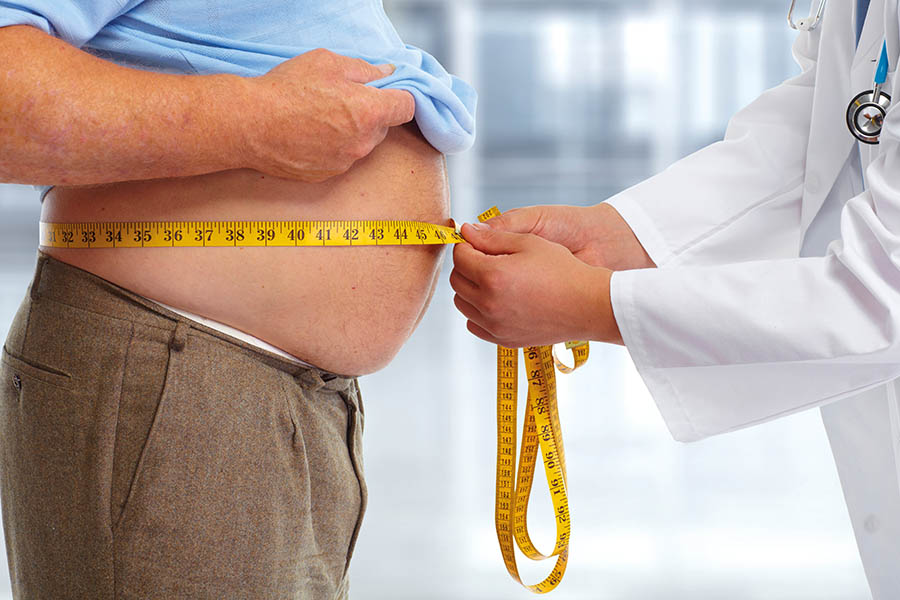
One measurement that provides more useful insight is waist-to-height ratio. This method compares waist circumference to height rather than total body weight. The calculation focuses on abdominal fat, which has stronger connections to metabolic disease.
The general guideline suggests keeping waist circumference less than half of height. For example, someone who is 170 centimeters tall would aim for a waist measurement under 85 centimeters.
This approach works better because it reflects fat distribution rather than total mass. A person with high muscle mass but low abdominal fat will still fall into a healthy range. Meanwhile, individuals carrying excess visceral fat receive a clearer signal that lifestyle adjustments may help.
Waist-to-height ratio also works across many populations with fewer adjustments than BMI requires.
Body Fat Percentage Reveals What Weight Alone Cannot
Body fat percentage measures the proportion of fat relative to total body weight. Unlike BMI, this metric distinguishes between muscle and fat, offering a far clearer picture of body composition.
Several methods can estimate body fat percentage. Skinfold calipers, bioelectrical impedance scales, and advanced scans such as DEXA provide varying levels of accuracy. Even basic estimates often reveal more meaningful information than BMI alone.
A person with a “normal” BMI might discover that body fat levels are higher than expected, indicating low muscle mass or poor metabolic health. Conversely, someone labeled overweight by BMI may show healthy body fat levels due to strong musculature.
Body fat percentage aligns more closely with real physiological risk factors than simple weight measurements.
Fitness Levels Predict Longevity Better Than BMI
Cardiorespiratory fitness strongly predicts long-term health outcomes. Studies repeatedly show that individuals with high fitness levels live longer and experience lower rates of chronic disease, regardless of body weight.
A person who exercises regularly, maintains strong cardiovascular capacity, and moves frequently throughout the day often experiences better health outcomes than someone sedentary with a lower BMI.
Fitness reflects how well the body’s systems function under stress. It captures heart health, lung capacity, muscular endurance, and metabolic efficiency. BMI captures none of these qualities.
Focusing on physical performance metrics such as endurance, strength, and mobility creates a more accurate picture of well-being.
Metabolic Markers Tell the Real Story
Blood tests provide powerful insight into internal health. Markers such as fasting glucose, triglycerides, cholesterol levels, and blood pressure reveal how the body processes energy and manages inflammation.
Two individuals with identical BMI scores may show dramatically different metabolic profiles. One may have stable blood sugar, healthy lipid levels, and normal blood pressure. The other may display early signs of metabolic syndrome.
These markers offer concrete evidence of physiological function. They measure the processes that actually drive disease risk rather than relying on external body size estimates.
Tracking metabolic health encourages lifestyle changes that directly improve biological function.
Strength And Mobility Reflect True Physical Health
Physical capability provides another meaningful measure of health. Strength, balance, flexibility, and coordination influence daily life more than body weight alone.
Activities such as climbing stairs without fatigue, lifting groceries comfortably, or maintaining good posture reveal functional health. These abilities depend on muscular strength, joint stability, and neurological coordination.
Strength training, mobility exercises, and consistent movement habits improve these abilities over time. None of these improvements necessarily produce dramatic changes in BMI.
Evaluating physical capability highlights practical health outcomes rather than aesthetic weight targets.
A More Holistic Way To Measure Health
Shifting away from BMI requires a broader perspective on health assessment. No single number can capture the complexity of human physiology. A combination of metrics provides far more reliable insight.
Waist-to-height ratio, body fat percentage, cardiovascular fitness, metabolic markers, and functional strength together create a comprehensive picture. Each measurement highlights a different aspect of health.
This approach also encourages healthier habits. People focus on building strength, improving endurance, and supporting metabolic health rather than chasing a specific weight category.
Health becomes a dynamic process rather than a label assigned by a formula.
Rethinking The Numbers That Define Health
BMI gained authority because it offered simplicity. Doctors needed quick tools for evaluating large populations, and the formula delivered that convenience. But convenience does not guarantee accuracy.
Human health involves far more than body size. Muscle mass, fat distribution, metabolic function, and lifestyle habits shape long-term outcomes in ways BMI cannot capture.
Moving beyond BMI allows health discussions to become more precise and compassionate. Instead of labeling bodies according to a rigid formula, we can focus on real indicators of vitality and resilience.
Numbers will always play a role in medicine and fitness, but they should illuminate reality rather than distort it. The future of health assessment lies in combining meaningful measurements that reflect how the body truly functions.
