Food trends appear and disappear every few years, but few ideas have spread as quickly or as widely as the concept of “clean eating.” Scroll through social media, walk through a bookstore, or listen to health influencers, and the phrase shows up everywhere. It sounds appealing, responsible, and even morally superior. The phrase suggests a way of eating that is pure, disciplined, and healthier than the rest.
The problem is that the term itself has no clear meaning. Ask ten different people what clean eating means, and ten completely different answers appear. Some claim it means avoiding processed foods, others insist it means organic products only, while another group believes it simply means eating whole foods. The phrase creates the illusion of strict rules, but those rules rarely exist.
The more closely the concept is examined, the more obvious it becomes that clean eating is not a scientific framework or a nutritional guideline. It is a loosely defined idea that has been shaped by marketing, wellness culture, and social media trends. The label sounds authoritative, yet it lacks any formal definition recognized by nutrition science.
Many people adopt the term with good intentions. Wanting to eat better, feel healthier, or take control of food choices is completely reasonable. However, the language of clean eating often creates confusion, unnecessary guilt, and unrealistic expectations about food.
Clean eating sounds like a simple path to better health, but its lack of rules makes it more of a cultural trend than a nutritional principle.
The Phrase That Sounds Official but Means Nothing
The words “clean eating” carry a strong emotional message. Clean suggests purity, discipline, and health, while the opposite implies something dirty or harmful. That framing alone gives the phrase power, even before any actual dietary advice appears.
Despite how common the phrase has become, no official nutrition authority defines clean eating as a structured diet. Major health organizations, registered dietitians, and medical guidelines rarely use the term because it lacks measurable criteria. Without a clear definition, it becomes impossible to evaluate scientifically.
Different influencers promote entirely different interpretations of clean eating. Some promote vegan diets, while others insist that clean eating includes grass-fed meat and dairy. Some followers eliminate gluten, while others focus on sugar, seed oils, or processed foods. The contradictions reveal the central problem: the concept shifts depending on who is speaking.
The label functions more like a lifestyle slogan than a nutritional strategy. It sounds disciplined and aspirational, which helps it spread quickly online. Unfortunately, the lack of structure allows anyone to redefine it however they want.
A concept without consistent rules cannot serve as a reliable guide to nutrition. Clean eating may sound organized, but the reality is far more chaotic.
Social Media Turned It Into a Movement
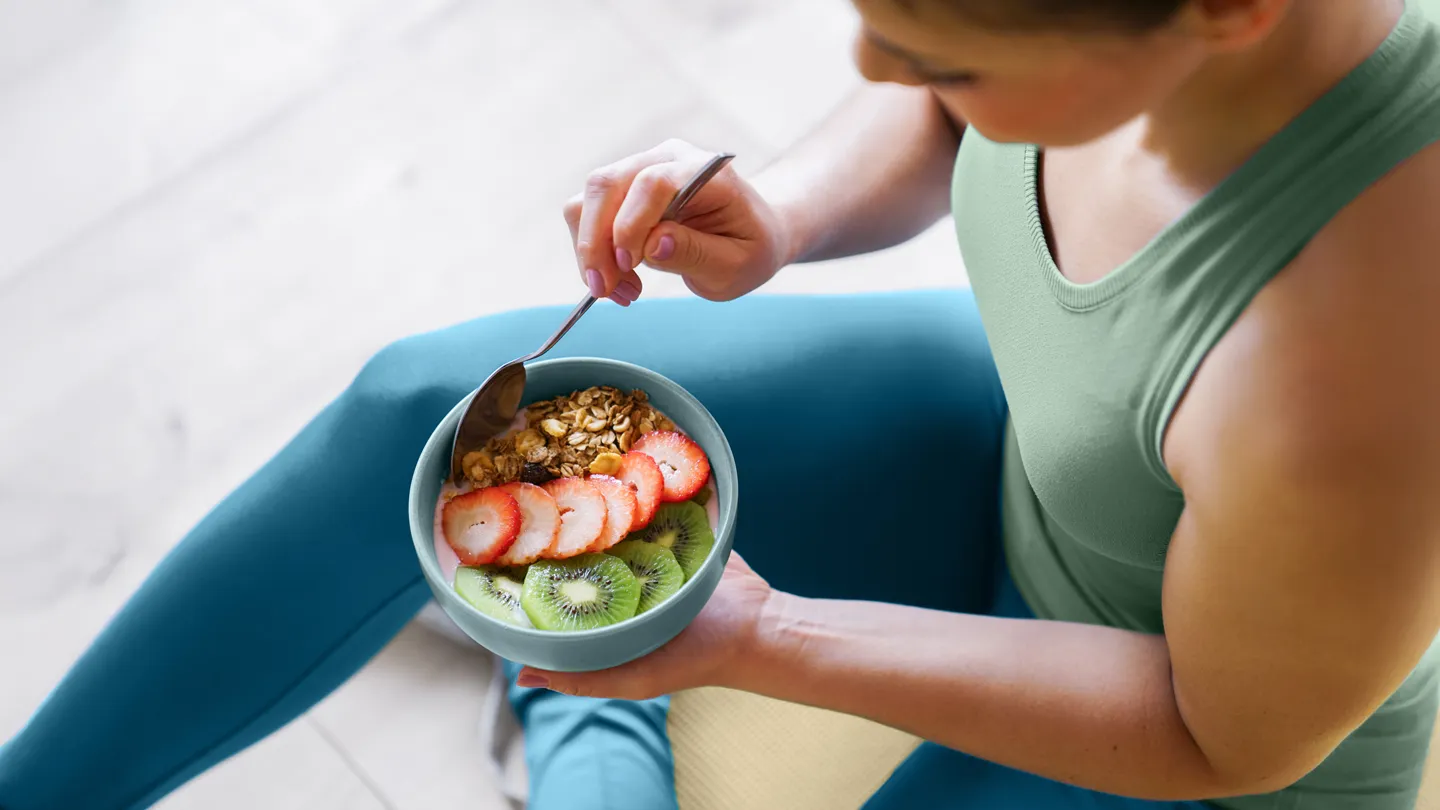
The rise of clean eating happened at the same time social media platforms began shaping food culture. Instagram, TikTok, and wellness blogs created the perfect environment for visually appealing health trends to spread. Smoothie bowls, colorful salads, and neatly arranged meal prep containers became symbols of discipline and wellness.
Clean eating fits perfectly into the visual language of social media. Plates filled with vibrant fruits, vegetables, and grains look attractive and aspirational. The meals appear simple and natural, which reinforces the idea that they represent the “right” way to eat.
The issue is that social media rarely shows the full picture. Behind the images often lies a rigid set of personal rules that vary widely from one influencer to another. Followers attempt to imitate those diets without realizing the rules are inconsistent or unsupported by science.
Algorithms reward content that feels inspiring or dramatic, which encourages influencers to present clean eating as a clear moral choice. Food becomes divided into categories of clean or dirty, good or bad. That type of framing spreads quickly because it simplifies complex nutritional topics.
The popularity of clean eating online does not come from scientific credibility. It spreads because the idea is visually appealing, emotionally persuasive, and easy to market.
The Problem With Undefined Rules
Nutrition works best when guidelines are clear and evidence-based. Concepts like calorie balance, nutrient density, and dietary variety can be studied, measured, and evaluated through research. Clean eating offers none of that clarity.
Without defined rules, the term becomes whatever someone wants it to be. One person may believe clean eating allows oatmeal and whole grain bread, while another insists all grains must be eliminated. A third person may focus on organic produce while still consuming processed snacks labeled “natural.”
This lack of consistency creates confusion for anyone trying to improve their diet. People begin searching for rules that do not actually exist. They worry about whether foods qualify as clean instead of focusing on overall nutrition.
The ambiguity also allows companies to exploit the term. Food packaging frequently includes phrases like “clean ingredients,” “all natural,” or “pure.” These labels sound healthy but often have no strict regulatory definition.
When a dietary concept lacks boundaries, it becomes easy to manipulate. Clean eating appears structured on the surface, yet its rules change depending on who is defining them.
Food Morality and the Idea of “Clean” Versus “Dirty”
Language shapes the way people think about food. Clean eating unintentionally introduces a moral dimension to eating habits. Foods labeled clean are viewed as virtuous, while foods outside that category appear irresponsible or unhealthy.
This moral framing can have unintended consequences. A slice of pizza, a dessert, or a packaged snack becomes associated with guilt instead of enjoyment. People begin to evaluate their meals not just nutritionally but morally.
Food does not carry moral value. A cookie is not a character flaw, and a salad does not make someone virtuous. Nutrition is about patterns over time rather than individual meals.
The clean versus dirty framework oversimplifies the complexity of human diets. Cultural traditions, accessibility, affordability, and personal preference all shape the way people eat. Reducing food to moral categories ignores those realities.
When people believe they must eat perfectly clean, they often become overly restrictive. That pressure can make healthy eating feel stressful rather than sustainable.
Whole Foods Already Had a Name
Many advocates of clean eating claim the concept simply means eating more whole foods. Fruits, vegetables, whole grains, legumes, and minimally processed ingredients form the foundation of many healthy diets. Those foods provide fiber, vitamins, minerals, and other beneficial nutrients.
The irony is that nutrition science has already promoted these foods for decades without using the label clean eating. Balanced dietary patterns like the Mediterranean diet or traditional plant-forward diets emphasize similar foods while remaining flexible and realistic.
Whole foods support health, but they do not require a moral label. They are simply nutritious options that contribute to a balanced diet. The idea becomes problematic only when people assume anything processed automatically becomes harmful.
Processing exists on a spectrum. Washing, freezing, chopping, and cooking are all forms of processing. Even foods commonly considered clean often go through several steps before reaching the table.
Whole foods deserve attention because of their nutritional value, not because a trendy phrase declares them clean.
Processed Food Is Not Automatically the Enemy
One of the most common interpretations of clean eating involves avoiding processed foods entirely. While highly processed foods can contribute to poor dietary patterns when consumed excessively, the category itself is far more complex than it appears.
Many processed foods provide essential nutrients and convenience that support balanced diets. Frozen vegetables, canned beans, whole grain bread, yogurt, and fortified cereals are all technically processed. These foods can play a valuable role in everyday nutrition.
Modern food systems rely on processing to ensure safety, preservation, and accessibility. Without refrigeration, pasteurization, and packaging, many foods would spoil quickly or become unsafe.
Labeling all processed foods as unclean oversimplifies the issue. Nutritional value depends on the ingredients, portion sizes, and overall dietary patterns rather than the simple fact that a food went through manufacturing.
A balanced approach recognizes that both fresh and processed foods can exist within healthy diets. The goal is not perfection but practicality and nutritional balance.
Clean Eating and the Rise of Food Anxiety
Strict interpretations of clean eating sometimes lead people toward rigid dietary rules. Eliminating entire categories of food can create anxiety around eating situations that fall outside those rules. Social gatherings, restaurants, and travel become stressful experiences instead of enjoyable ones.
Food anxiety often develops slowly. Someone begins by removing certain ingredients, then gradually expands the list of forbidden foods. Over time, the diet becomes increasingly restrictive.
Nutrition should support physical and mental well-being. A pattern that causes constant worry about ingredients or preparation methods may undermine that goal.
Dietitians frequently emphasize flexibility as a key part of sustainable nutrition. Occasional indulgences, cultural foods, and convenience meals can exist within healthy lifestyles.
Clean eating sometimes encourages perfectionism instead of balance. That mindset makes long-term consistency more difficult.
Marketing Loves the Word “Clean”
Food companies quickly recognized the marketing potential of the clean eating trend. Products labeled with phrases like “clean ingredients” or “clean snacks” began appearing across grocery stores.
The label creates an immediate impression of purity and health, even if the product contains similar ingredients to competing brands. Marketing language often relies on emotional associations rather than strict definitions.
Because the phrase lacks regulatory standards, companies can use it freely. A product labeled clean may still contain sugar, refined grains, or additives similar to other packaged foods.
The word functions more as branding than nutritional guidance. Consumers feel reassured by the label even though it rarely provides meaningful information.
Marketing thrives when a concept sounds authoritative but remains vague. Clean eating fits that description perfectly.
Balanced Eating Does Not Need a Trendy Name
Healthy eating patterns have existed long before the clean eating movement appeared. Traditional diets around the world emphasize variety, moderation, and cultural foods prepared with simple ingredients.
Balanced nutrition includes fruits, vegetables, proteins, grains, fats, and occasional treats. The combination provides both nourishment and enjoyment.
Rigid labels can make nutrition feel complicated or intimidating. A balanced perspective focuses on overall patterns rather than perfection in every meal.
Food serves many purposes beyond nutrition. Meals bring people together, reflect cultural identity, and create comfort during difficult times.
Healthy eating works best when it supports those experiences rather than limiting them.
A Better Way to Think About Food
Instead of dividing food into clean and unclean categories, a more helpful approach focuses on nourishment, variety, and sustainability. Nutrient-dense foods can form the foundation of meals without eliminating flexibility.
Balance allows room for different situations and preferences. Some meals will be home-cooked with fresh ingredients, while others may come from restaurants or packaged options. Both can exist within a healthy lifestyle.
Long-term habits matter more than individual meals. Consistently eating a wide range of nutritious foods contributes far more to health than chasing a perfect label.
Nutrition becomes easier when the focus shifts away from purity and toward practicality. People thrive on dietary patterns that feel realistic and enjoyable.
Clean eating may sound appealing, but health does not require a slogan. A thoughtful, balanced relationship with food provides a far more reliable path forward.
