The shape of a kitchen rarely gets blamed for overeating, yet it quietly influences how much food ends up on a plate. Cabinets, counters, lighting, and even the distance between the fridge and the table guide daily habits more than most people realize. After paying closer attention to my own eating patterns, it became clear that the design of the kitchen was steering my appetite in subtle but powerful ways. What felt like random snacking or oversized portions often traced back to simple layout decisions that encouraged constant grazing. The kitchen was not just a place to prepare food; it was shaping how often I ate, how much I served myself, and how difficult it felt to stop.
The Power of What You See First
Visual cues drive eating behavior more than hunger signals. Walking into a kitchen where snacks sit out on the counter instantly draws attention to them, even if the stomach is not asking for food. A bowl of candy or a bag of chips placed at eye level quietly invites a handful every time someone passes by. Over time, those small moments add up to hundreds of extra calories that barely register as intentional eating.
I noticed this pattern during ordinary moments like grabbing a glass of water or washing dishes. The presence of visible snacks made it easy to take “just a few.” Those bites rarely felt like real eating, yet they happened multiple times a day. Once those foods disappeared from the counter and moved into cabinets, the urge to snack dropped almost immediately.
The human brain is wired to react to what it sees first. A countertop filled with packaged snacks encourages grazing, while a clean surface with fruit or nothing at all shifts attention away from unnecessary eating. Visibility alone can change behavior without any conscious effort.
Countertop Clutter Encourages Mindless Eating
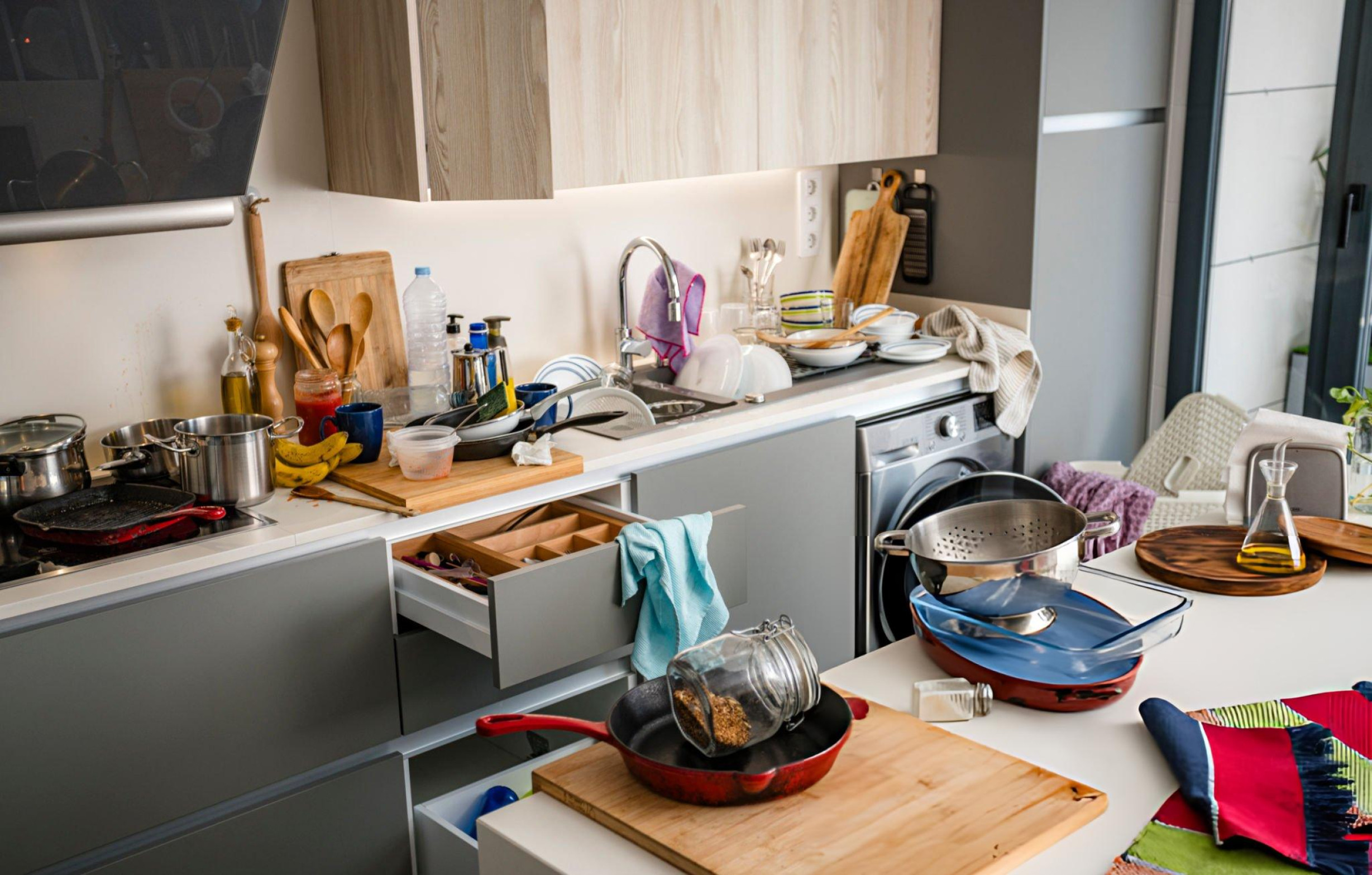
Cluttered countertops create an environment where food feels constantly available. Bread boxes, cookie jars, cereal containers, and snack baskets make eating seem like the default activity in the room. Even if someone walks into the kitchen for a completely different reason, those items trigger the idea of grabbing something to munch on.
This kind of setup turns the kitchen into a snack station rather than a cooking space. Every item within reach becomes an invitation to nibble while waiting for coffee to brew or while scrolling through a phone. The more food items that sit out, the more often hands reach for them automatically.
Clearing the counters can change the entire experience of the room. Without visual reminders of snacks, the brain stops associating the space with constant eating. The kitchen begins to feel more like a place for meals rather than a place for endless grazing.
Refrigerator Placement Shapes Eating Habits
The refrigerator acts like the centerpiece of many kitchens, and its location matters more than most people think. If the fridge sits directly along the path between common areas like the living room and dining space, it becomes impossible to ignore. Every trip through the kitchen passes right by the door handle, creating repeated opportunities to open it out of boredom rather than hunger.
In homes where the refrigerator stands in a highly visible or central spot, quick snack visits become routine. The door opens, something small gets grabbed, and the cycle repeats several times a day. Those small trips often happen without planning and without any real hunger involved.
Shifting habits can be as simple as reorganizing what lives inside the fridge. If healthier foods sit at eye level while indulgent snacks remain tucked away in drawers or behind other items, the first thing seen becomes the first thing chosen. Placement inside the fridge influences decisions just as much as the fridge’s location in the kitchen.
Oversized Plates and Bowls Distort Portion Sizes
Kitchen layouts often include cabinets filled with large dinnerware. Big plates make meals look small, which encourages piling on more food to fill the empty space. The result is larger portions that feel normal simply because of the dish being used.
The difference becomes obvious when switching to smaller plates or bowls. The same amount of food suddenly appears more satisfying because the plate looks full. Visual perception tricks the brain into believing the portion is adequate even when the quantity has not changed.
Dinnerware placement also matters. If large serving bowls sit within easy reach on the table or counter, it becomes easy to go back for seconds without thinking twice. Keeping serving dishes further away from where people sit can naturally slow down that impulse.
The Snack Zone Effect
Many kitchens unintentionally develop a dedicated snack zone. A cabinet or drawer ends up filled with chips, cookies, candy, and packaged treats. Because all these items live together, opening that cabinet instantly signals that it is snack time.
Over time, the brain links that location with reward and comfort. Even without hunger, curiosity pulls someone back to the same spot multiple times a day. The habit becomes automatic because the layout reinforces the behavior.
Breaking up the snack zone changes that routine. Storing treats in separate locations or placing them on higher shelves creates small barriers that interrupt the pattern. That extra moment of effort gives the brain time to decide whether eating is actually necessary.
Lighting Influences How Much Gets Eaten
Lighting rarely enters the conversation about overeating, yet it shapes how people interact with food. Bright, cool lighting can make the kitchen feel active and stimulating, encouraging quick eating and frequent visits. Softer lighting tends to slow down the atmosphere and reduce the urge to keep snacking.
Restaurants have used lighting tricks for decades. Fast food spaces often rely on bright lights to create energy and speed, while upscale restaurants dim the lights to encourage slower, more relaxed meals. The same principle applies inside a home kitchen.
Adjusting lighting around eating areas can subtly shift behavior. Warm lighting above a dining table promotes a calmer eating pace, while extremely bright overhead lights near snack areas can make quick grazing feel normal. Small lighting changes influence mood, which then affects how much food gets consumed.
Open Shelving Makes Food Hard To Ignore
Open shelving has become popular in modern kitchens because it looks clean and stylish. While it may look appealing, it also exposes food items to constant view. Jars of cookies, cereal boxes, and snack containers remain visible all day long.
Every glance at those shelves acts as a reminder that food is nearby. Even if someone enters the kitchen to refill a water bottle, those items catch the eye immediately. The repeated exposure makes it easier to justify grabbing something small.
Closed cabinets provide a helpful barrier. When snacks stay hidden behind doors, they no longer compete for attention every time someone enters the room. Out of sight truly can mean out of mind when it comes to unnecessary eating.
The Kitchen Traffic Flow Problem
Kitchen layouts often serve as passageways between rooms. If the only route from the living room to another area passes through the kitchen, people end up walking past food dozens of times a day. Each pass increases the chance of grabbing something to eat.
Frequent traffic also encourages casual grazing because the kitchen feels like a shared gathering space. Conversations happen there, phones get checked there, and people linger near the counters where snacks sit within reach. The more time spent standing in the kitchen, the more opportunities arise for extra bites.
Rearranging the room can reduce that effect. Moving chairs, stools, or snack items away from the main walkway helps separate food preparation from everyday movement. The kitchen becomes less of a social hangout and more of a purposeful space for meals.
Pantry Organization Affects Daily Decisions
Pantry shelves reveal a lot about eating habits. If sugary cereals, snack bars, and chips occupy the most accessible shelves, those items will naturally be eaten first and most often. The layout inside the pantry quietly prioritizes certain foods over others.
Placing healthier ingredients at eye level changes the decision process. Whole grains, nuts, and nutritious snacks become the first options people notice. Less nutritious treats placed on higher or lower shelves require extra effort, which slows down impulse choices.
The structure of the pantry works like a silent guide. Every time someone opens the door, the arrangement suggests what to eat. Small adjustments to shelf placement can reshape habits without relying on strict willpower.
Dining Areas Inside the Kitchen Encourage Extra Bites
Many modern kitchens include islands or small seating areas where people eat casually. While convenient, these spaces often encourage constant nibbling. Sitting at the island while scrolling through a phone or chatting with family makes it easy to grab small bites repeatedly.
Meals served directly in the kitchen can also blur the boundary between eating and cooking. People snack while preparing food, take a few bites while cleaning up, and return for seconds simply because the food remains within arm’s reach.
Creating a clearer separation between cooking and eating areas can help reduce this cycle. Moving meals to a dining table in another room signals that eating happens during specific moments rather than throughout the entire evening.
Simple Layout Tweaks That Change Eating Habits
Small adjustments to the kitchen layout can transform how often food gets consumed. Moving snack foods out of sight reduces visual triggers that lead to mindless grazing. Placing fruit or healthier options on the counter shifts attention toward better choices without requiring strict discipline.
Switching to smaller plates and bowls naturally limits portion sizes. Reorganizing pantry shelves so nutritious foods appear first makes them the default option. Even relocating a snack drawer or cabinet can disrupt automatic habits that once felt impossible to break.
Lighting adjustments and clearer boundaries between cooking and eating spaces also play a role. A calmer environment encourages slower meals and fewer spontaneous snacks. These changes may seem minor, yet they reshape daily behavior in powerful ways.
A Kitchen That Works With Your Goals
The kitchen acts as the stage where daily eating habits unfold. Every cabinet, shelf, and counter either supports healthier choices or quietly nudges people toward overeating. Instead of relying entirely on willpower, reshaping the environment makes better decisions feel automatic.
After making several layout changes in my own kitchen, the difference became noticeable within weeks. Snacking happened less often, meals felt more satisfying, and portion sizes started to balance naturally. The structure of the room began working with my goals instead of against them.
Food choices rarely depend on discipline alone. The environment surrounding those choices plays an enormous role in shaping behavior. Adjusting the layout of a kitchen may seem like a small step, but it can quietly transform the way food fits into everyday life.
