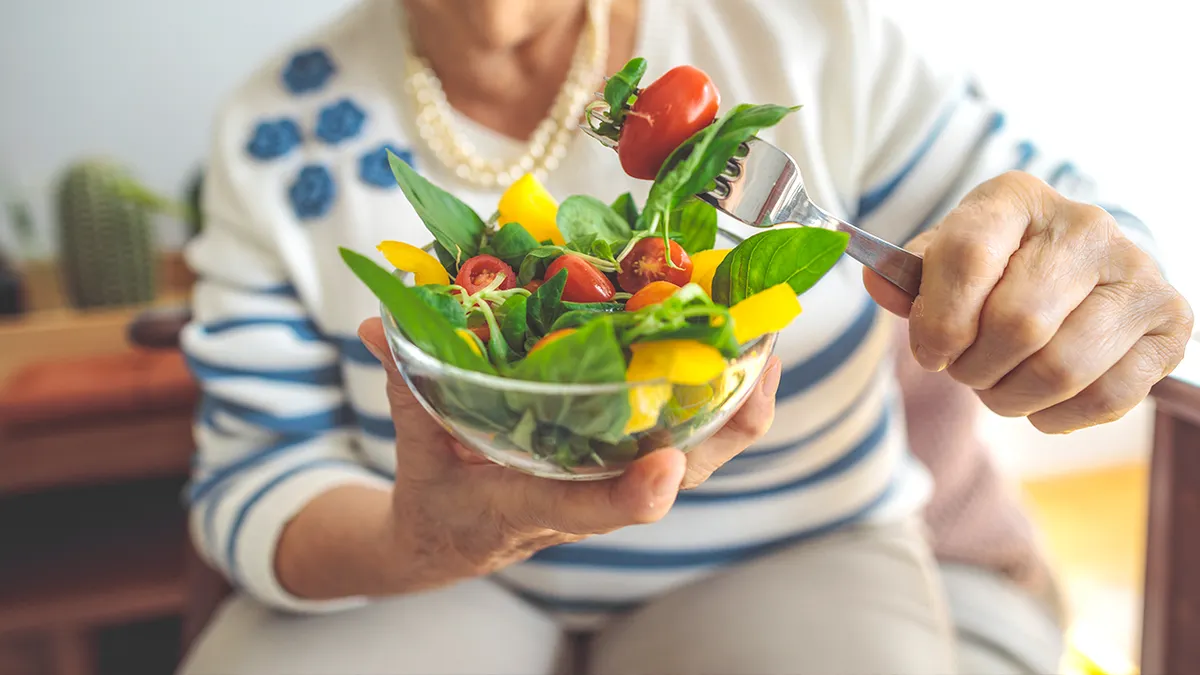
A salad arrives at the table with vibrant greens, grilled chicken, and a neat sprinkle of seeds. The menu describes it as light, nourishing, and packed with nutrients. It looks exactly like the kind of meal that fits into a healthy lifestyle. Yet the first bite often carries a richness that feels oddly indulgent, almost like the dish belongs in a comfort food category rather than a wellness menu.
Restaurant meals marketed as healthy carry an appealing promise. They suggest balance, clean ingredients, and thoughtful preparation. Many diners, including me, sit down with confidence that the meal aligns with good habits. That confidence feels reassuring in a world where food choices can quickly become overwhelming.
Still, the deeper I looked at how restaurant kitchens actually operate, the clearer it became that a quiet ingredient hides behind many of these “healthy” dishes. It rarely appears on the menu description, and it almost never becomes the focus of nutrition discussions. Yet it shapes flavor, texture, and calories in ways that most diners never consider.
That ingredient is oil.
The Flavor Booster Most Diners Never Notice
Restaurant kitchens rely heavily on oil to deliver flavor quickly and consistently. Even dishes that appear light often pass through a generous coating of it during preparation. Vegetables get sautéed, proteins are brushed before grilling, and dressings rely on oil as their base.
This practice is not a secret within professional kitchens. Chefs know oil enhances texture, carries flavor, and prevents food from sticking during cooking. A tablespoon can transform the mouthfeel of a dish, making it taste richer and more satisfying.
The challenge is that oil contains a dense concentration of calories. One tablespoon holds around 120 calories, and restaurant cooking rarely stops at a single spoonful. By the time a dish leaves the kitchen, multiple layers of oil may have been used throughout preparation.
The diner usually sees only the finished plate, not the process behind it.
Why Restaurants Depend On Oil So Much
Restaurants operate under pressure to deliver food that tastes incredible every time. A dish must impress within the first bite, otherwise it risks disappointing the guest. Oil helps guarantee that result because it amplifies flavors and gives food a luxurious texture.
Speed also plays a major role. Busy kitchens must prepare meals quickly while maintaining consistency. Oil allows cooks to sauté vegetables in seconds, crisp proteins efficiently, and prevent ingredients from burning during high heat cooking.
Another factor involves customer expectations. Many diners say they want healthy food, but they still expect restaurant meals to taste richer than home cooking. Oil bridges that gap by maintaining the comforting flavor people associate with dining out.
The result is a quiet compromise between health perception and flavor satisfaction.
The Salad That Isn’t As Light As It Looks
Salads carry a reputation as the safest choice on a restaurant menu. Greens, vegetables, lean proteins, and a simple vinaigrette seem like the perfect formula for a balanced meal. Yet these dishes often hide more calories than people expect.
Dressings are the primary reason. Many vinaigrettes contain a three-to-one ratio of oil to vinegar. That ratio creates a smooth texture and balanced flavor, but it also dramatically increases calorie content.
A salad bowl might look modest, yet the dressing alone can add several hundred calories. Additional ingredients such as roasted vegetables or grilled chicken are frequently tossed in oil during preparation, layering even more fat into the meal.
What appears clean and simple on the plate can quietly rival the calorie count of a much heavier dish.
Cooking Methods That Multiply Hidden Calories
The way food is prepared determines how much oil ends up in the final dish. Grilling, sautéing, roasting, and pan searing all involve oil to prevent sticking and enhance browning. Even small amounts used repeatedly throughout cooking accumulate quickly.
Vegetables are a common example. A plate of roasted broccoli sounds like a wholesome side, but roasting typically requires oil to coat the florets. Without it, the vegetables would dry out rather than caramelize.
Proteins follow the same pattern. Chicken breasts often receive a brush of oil before hitting the grill. Fish may be pan seared in a shallow layer to achieve a crisp exterior. Each step improves flavor while adding calories that remain invisible to the diner.
These methods are not unhealthy by default. The issue lies in how easily the total amount can exceed what most people imagine.
Portion Size And The Illusion Of Balance
Another reason healthy restaurant meals become calorie dense is portion size. Restaurants design plates that appear abundant and satisfying. Large servings help guests feel they received value for their money.
That generosity can work against nutritional goals. A dish prepared with moderate oil might still remain balanced if the portion stayed small. Once the serving doubles, the hidden ingredients multiply as well.
The illusion of balance becomes stronger when a plate features vegetables or lean proteins. A large bowl of greens seems harmless at first glance. However, when oil-based dressing coats every leaf, the total energy content rises far beyond expectations.
The visual appearance of a meal often masks what actually contributes the most calories.
Restaurant Cooking Versus Home Cooking
Cooking at home provides a level of control that restaurant dining rarely offers. A person can measure ingredients, adjust oil levels, and experiment with different techniques. That awareness naturally shapes healthier meals over time.
Restaurants function differently. Their priority centers on delivering flavor and efficiency rather than strict calorie management. Oil becomes the easiest tool to guarantee both.
Home cooks also tend to use less oil simply because they can see it leaving the bottle. Pouring a tablespoon into a pan feels like a conscious choice. In contrast, restaurant cooks work from large containers where quick pours and brush strokes happen automatically.
That difference in perspective explains why restaurant dishes often taste richer than similar meals prepared at home.
The Psychology Of Healthy Menu Labels
Menu descriptions carry powerful influence over dining decisions. Words like grilled, fresh, light, and wholesome create an impression of health before the food even arrives. Those terms shape expectations and guide customers toward certain dishes.
Restaurants understand this psychology well. Highlighting nutritious ingredients makes a dish more appealing to health conscious diners. At the same time, the cooking process behind those ingredients rarely appears in the description.
A bowl might feature quinoa, kale, avocado, and grilled salmon. The combination sounds nutritious and balanced. Yet if the salmon was seared in oil and the vegetables were sautéed before assembly, the calorie content can climb significantly.
The label remains accurate in terms of ingredients, but it does not tell the entire story.
Flavor Expectations Shape Restaurant Recipes
Dining out often carries emotional value. People gather for celebrations, relaxation, or simply a break from routine. The food must feel satisfying enough to justify the experience.
Chefs design recipes with that expectation in mind. Oil enhances aroma, improves texture, and deepens the flavor of herbs and spices. Removing it entirely would create dishes that taste noticeably flatter.
Even restaurants that promote wellness menus face this balancing act. A meal must still deliver pleasure. Otherwise diners may view it as bland or restrictive.
This constant pursuit of flavor ensures oil remains a central ingredient behind many “healthy” plates.
The Nutritional Tradeoff Behind Convenience
Restaurant dining offers convenience that busy lifestyles often demand. Preparing a balanced meal at home requires time, planning, and ingredients. Ordering a healthy looking dish feels like an easy solution when schedules grow hectic.
Convenience always comes with tradeoffs. Restaurants rely on techniques that maximize flavor quickly. Oil accomplishes that goal without complicated preparation steps.
From a culinary standpoint, the approach makes perfect sense. From a nutritional standpoint, it means diners rarely know exactly how much fat enters their meal.
The gap between perception and reality grows wider each time the kitchen adds another quick drizzle to the pan.
Small Adjustments That Change Everything
Awareness transforms how restaurant meals fit into a healthy lifestyle. The goal is not to avoid dining out entirely. Instead, it helps to recognize the quiet ingredients shaping each dish.
Requesting dressing on the side can reduce the amount used dramatically. Asking for vegetables steamed rather than sautéed removes a significant layer of oil. Even simple questions about preparation methods encourage more mindful choices.
These adjustments do not eliminate flavor. They simply shift the balance toward ingredients that support nutritional goals.
The meal still feels enjoyable, but it aligns more closely with the healthy intention that inspired the order.
The Bigger Picture Of Restaurant Wellness
Healthy eating rarely depends on a single meal. Patterns across days and weeks shape long term wellbeing far more than one restaurant dinner. Recognizing hidden ingredients helps create awareness without turning dining into a stressful experience.
Restaurants will likely continue using oil generously because it supports the flavor people love. That reality does not mean healthy dining out is impossible. It simply means that the label “healthy” often reflects ingredients rather than preparation.
A plate of vegetables, lean protein, and whole grains can still provide excellent nutrition. The key lies in remembering that cooking methods matter as much as the ingredients themselves.
Once that insight settles in, restaurant menus become easier to navigate with confidence.
A New Perspective On “Healthy” Dining
The discovery of oil as a hidden ingredient changed how I view restaurant meals. Dishes that once seemed unquestionably light now reveal layers of flavor created behind the scenes. The realization does not remove the joy of dining out, but it does add a sense of awareness.
Restaurants excel at making food taste incredible. Oil plays a major role in that achievement, quietly shaping texture and flavor across countless dishes. The ingredient itself is not the villain of the story.
The real lesson involves perception. A healthy label on a menu does not always reflect the full picture of preparation. Looking beyond the surface helps transform dining decisions from guesswork into informed choices.
Meals enjoyed outside the home can still fit comfortably into a balanced lifestyle. A little curiosity about what happens in the kitchen makes all the difference.
