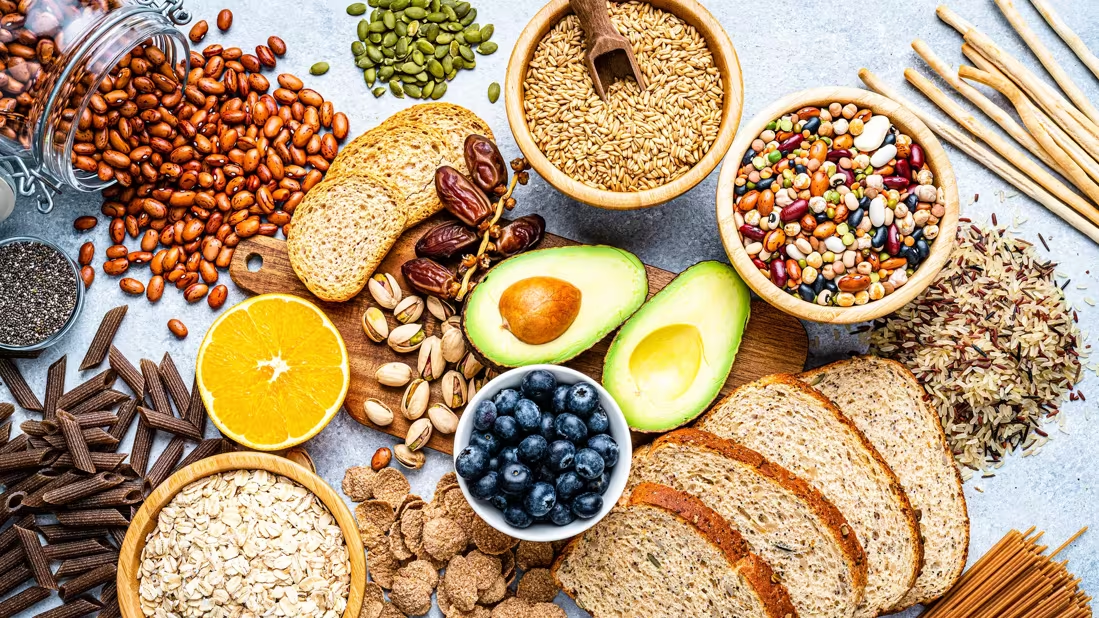
Money changes many things in life, but one of the quietest differences appears on the plate. Wealthy people often eat in ways that look simple from the outside yet reflect deeper habits tied to time, priorities, and long-term thinking. The meals may not always be expensive or luxurious, but they tend to follow patterns that support energy, focus, and health over decades.
After paying closer attention to how high performers and wealthy individuals eat, a few themes become clear. Their diets are rarely about extreme trends or flashy superfoods. Instead, they revolve around consistency, planning, and a subtle awareness that food fuels productivity and longevity.
These habits are not locked behind money or status. Many of them are surprisingly easy to copy, even with an average budget and a normal schedule. The real difference lies less in the ingredients and more in the mindset that shapes everyday choices.
Food Is Treated As Fuel For Performance
Many wealthy individuals see food through the lens of performance rather than pure indulgence. Meals are often selected based on how they support energy levels, mental clarity, and overall productivity. A lunch that causes sluggishness or brain fog becomes a liability during a busy day filled with decisions.
Because of this, simple meals often dominate their routines. Balanced plates with protein, vegetables, and healthy fats appear far more often than heavy comfort foods. The goal is not perfection but reliability, meaning meals that keep the body stable instead of swinging between energy spikes and crashes.
Anyone can adopt this mindset by asking one simple question before eating: will this meal help or hurt the next few hours of productivity? That small shift changes food choices surprisingly quickly.
Simplicity Wins Over Complexity
A common assumption suggests wealthy people eat elaborate meals prepared by chefs every day. In reality, many successful individuals stick to extremely simple food routines. The same breakfast appears repeatedly, lunches rotate through a few reliable options, and dinners focus on balanced nutrition rather than endless variety.
Simplicity removes decision fatigue. Instead of debating dozens of meal options, they rely on a handful of proven choices that support health and convenience. That habit saves time and mental energy, which can be redirected toward work, family, or creative projects.
Copying this approach does not require luxury ingredients. Rotating between a few balanced breakfasts, a couple of lunch staples, and several dependable dinners can simplify life while improving nutrition at the same time.
Quality Matters More Than Quantity
Many wealthy individuals care deeply about food quality. This does not necessarily mean buying the most expensive items in the store, but it does mean prioritizing freshness, nutrient density, and ingredient transparency.
High quality ingredients often deliver more nutrition per serving. Fresh vegetables, lean proteins, whole grains, and minimally processed foods tend to appear frequently in meals. These foods support long term health rather than quick gratification.
Adopting this habit starts with paying attention to ingredients rather than marketing labels. Whole foods that resemble their natural form usually outperform highly processed options, even when the price difference is small.
Time Is Invested In Meal Planning
Wealthy individuals rarely leave meals entirely to chance. Planning becomes part of the weekly routine, ensuring healthy food remains available even during busy schedules. A few minutes spent organizing meals can prevent dozens of impulsive decisions later.
Meal planning also reduces the temptation to rely on fast food or convenience snacks. When nutritious options are already prepared or easily accessible, better choices become the default instead of the exception.
Even simple planning can produce major benefits. Writing down a few meals for the week, buying ingredients in advance, and preparing basic components ahead of time can transform eating habits quickly.
They Prioritize Protein And Nutrient Density
Protein plays a major role in many high-performers’ diets. Adequate protein supports muscle maintenance, stable blood sugar, and long lasting satiety. Instead of building meals around refined carbohydrates alone, wealthy individuals often center meals around a solid protein source.
Eggs, fish, poultry, legumes, and high quality dairy appear frequently in these routines. These foods help stabilize hunger levels throughout the day while providing essential nutrients that support overall health.
Adding protein to each meal is one of the easiest habits to copy. Even small adjustments like including eggs at breakfast or adding beans to a salad can make meals more satisfying and nutritionally balanced.
Portion Awareness Plays A Major Role
Large portion sizes have quietly become normal in many parts of the world. Wealthy individuals often resist this trend by paying closer attention to how much food they consume. Meals tend to emphasize balance rather than excess.
Portion awareness does not mean strict calorie counting or obsessive measuring. Instead, it involves recognizing when the body feels satisfied rather than overly full. Slower eating and mindful awareness often make this easier.
This habit reduces overeating while still allowing enjoyment of food. Eating slightly less but focusing on higher quality ingredients often leads to better health outcomes over time.
Sugar And Ultra Processed Foods Are Limited
Highly processed foods often appear less frequently in the diets of wealthy individuals. Sugary snacks, refined desserts, and heavily processed meals tend to be occasional indulgences rather than daily staples.
These foods can cause rapid blood sugar spikes followed by energy crashes. For individuals who manage demanding schedules and decision heavy days, unstable energy becomes a serious disadvantage.
Reducing processed foods does not require eliminating them completely. Gradually replacing sugary snacks with fruit, nuts, or yogurt can stabilize energy while still satisfying cravings.
Hydration Is Taken Seriously
Water rarely receives the attention given to complex diet strategies, yet hydration plays a critical role in energy and cognitive performance. Many wealthy individuals maintain consistent hydration throughout the day.
Adequate water intake supports digestion, concentration, and metabolic health. Even mild dehydration can reduce focus and increase fatigue, making hydration a simple yet powerful habit.
Carrying a reusable water bottle or setting small reminders can help maintain consistent hydration without much effort.
Dining Becomes A Social Investment
Food often plays a social role in wealthy circles. Business discussions, networking opportunities, and relationship building frequently happen around meals. Dining together becomes an extension of professional and personal connection.
Meals in these settings tend to emphasize quality conversation and shared experiences rather than rushed eating. Slower meals encourage stronger relationships and deeper discussions.
While not everyone attends executive dinners or investor lunches, the principle still applies. Sharing meals with family, friends, or colleagues strengthens bonds and improves overall well being.
Health Is Viewed As A Long Term Asset
Wealthy individuals often think about health in the same way they think about financial investments. The goal is not immediate gratification but long term returns. Eating well becomes part of protecting energy, longevity, and productivity for decades.
Preventive health habits receive attention long before problems appear. Nutritious eating, regular exercise, and consistent sleep create a foundation that supports long term success.
Adopting this mindset changes the relationship with food. Meals stop being random daily decisions and start becoming small investments in future health.
Restaurants Are Selected With Intent
Dining out is common among wealthy individuals, yet restaurant choices often reflect health conscious thinking. Menus that emphasize fresh ingredients, balanced meals, and quality preparation tend to attract attention.
Even when dining in upscale environments, meal choices frequently remain relatively balanced. Grilled proteins, vegetable sides, and lighter dishes often replace heavy fried options.
Anyone can apply the same strategy when eating out. Reading menus carefully and selecting meals that provide balance rather than excess can maintain healthy habits even in restaurants.
They Avoid Extreme Diet Trends
Extreme diets promise rapid transformation, yet many wealthy individuals avoid these cycles entirely. Instead of chasing every new trend, they often rely on steady habits that remain consistent over time.
Consistency produces better results than dramatic short term efforts. Moderate, balanced eating patterns prove easier to maintain for years rather than weeks.
This approach removes the stress associated with strict restrictions or complex diet rules. Sustainable habits quietly outperform extreme strategies in the long run.
Food Education Becomes A Personal Skill
Many wealthy individuals invest time in learning about nutrition. Reading books, consulting professionals, or experimenting with healthier recipes gradually builds knowledge about what works best for their bodies.
This knowledge empowers better decisions in restaurants, grocery stores, and everyday cooking. Over time, food choices become guided by experience rather than marketing claims.
Anyone can build this skill slowly. Reading about nutrition, exploring new ingredients, and paying attention to how the body responds to different foods creates valuable long term awareness.
Small Daily Choices Shape Long Term Results
The difference in eating habits between wealthy individuals and the average person rarely comes from dramatic lifestyle changes. Instead, the gap forms through thousands of small decisions repeated over many years.
A slightly healthier breakfast, a balanced lunch, or an extra glass of water may seem insignificant in isolation. Over time, these small habits accumulate into powerful health advantages.
Consistency remains the hidden advantage. Repeating beneficial habits every day gradually produces results that appear effortless from the outside.
Practical Habits Worth Copying
Adopting wealthy eating habits does not require luxury ingredients or expensive nutrition programs. Most of the valuable practices revolve around mindset and consistency rather than money.
Building meals around protein and vegetables provides a simple foundation. Planning meals ahead of time reduces impulsive food decisions. Drinking enough water supports energy and concentration throughout the day.
Simplifying meal routines can also reduce stress while improving nutrition. Rotating a few reliable meals creates structure without eliminating variety completely.
The Real Lesson Behind Wealthy Eating Habits
A deeper pattern emerges when examining how wealthy individuals approach food. The habits reflect long term thinking, intentional choices, and respect for the connection between health and productivity.
Food becomes a tool rather than a distraction. Meals support the ability to think clearly, work effectively, and maintain energy throughout demanding schedules.
Anyone can adopt this mindset regardless of income level. With a bit of planning and awareness, the habits that support wealth and performance can also support better everyday health.
